Life
Foundational Decades: 1950s and 1960s
Key Events
- — 1954–56: Studies at Bromley School of Art
- — 1956–58: National Service in Cyprus, followed by travel in Turkey, Yugoslavia and Austria
- — 1959: Returns to Bromley School of Art and studies under Frank Auerbach
- — 1961–64: Studies at the Slade School of Fine Art under William Coldstream, Claude Rogers, and Andrew Forge; works in Frank Auerbach's life painting studio
- — 1964: Awarded the Young Contemporaries Graphics Prize
- — 1965: Receives the Abbey Minor Travelling Scholarship and joins the Fine Art Department at the University of Reading
- — 1967: Produces a series of symbolic self-portraits; stays in rural mid-Wales for the summer
- — 1968: Moves to Reading, where the changing urban landscape becomes the focus of his painting
Ray spent much of the 1950s studying at Bromley School of Art. Life drawing formed the core of the curriculum, helping to establish observation as the basis of painting. When Ray returned to the school in 1959, he studied under Frank Auerbach (1931–2024), whose teaching carried forward the influence of David Bomberg (1890–1957). Bomberg's emphasis on structure, energy, and physical engagement with paint offered an alternative to both academic naturalism and pure abstraction.
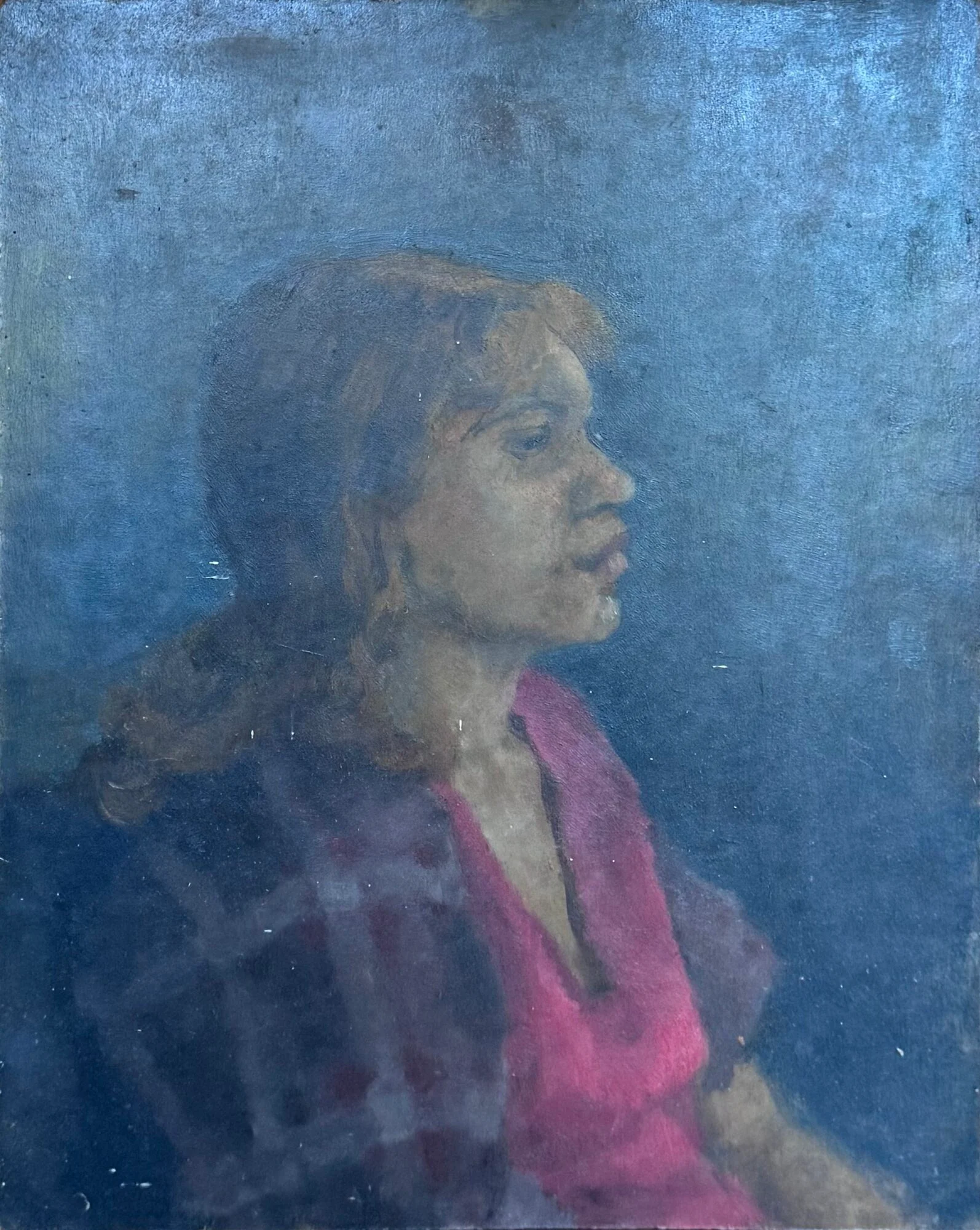
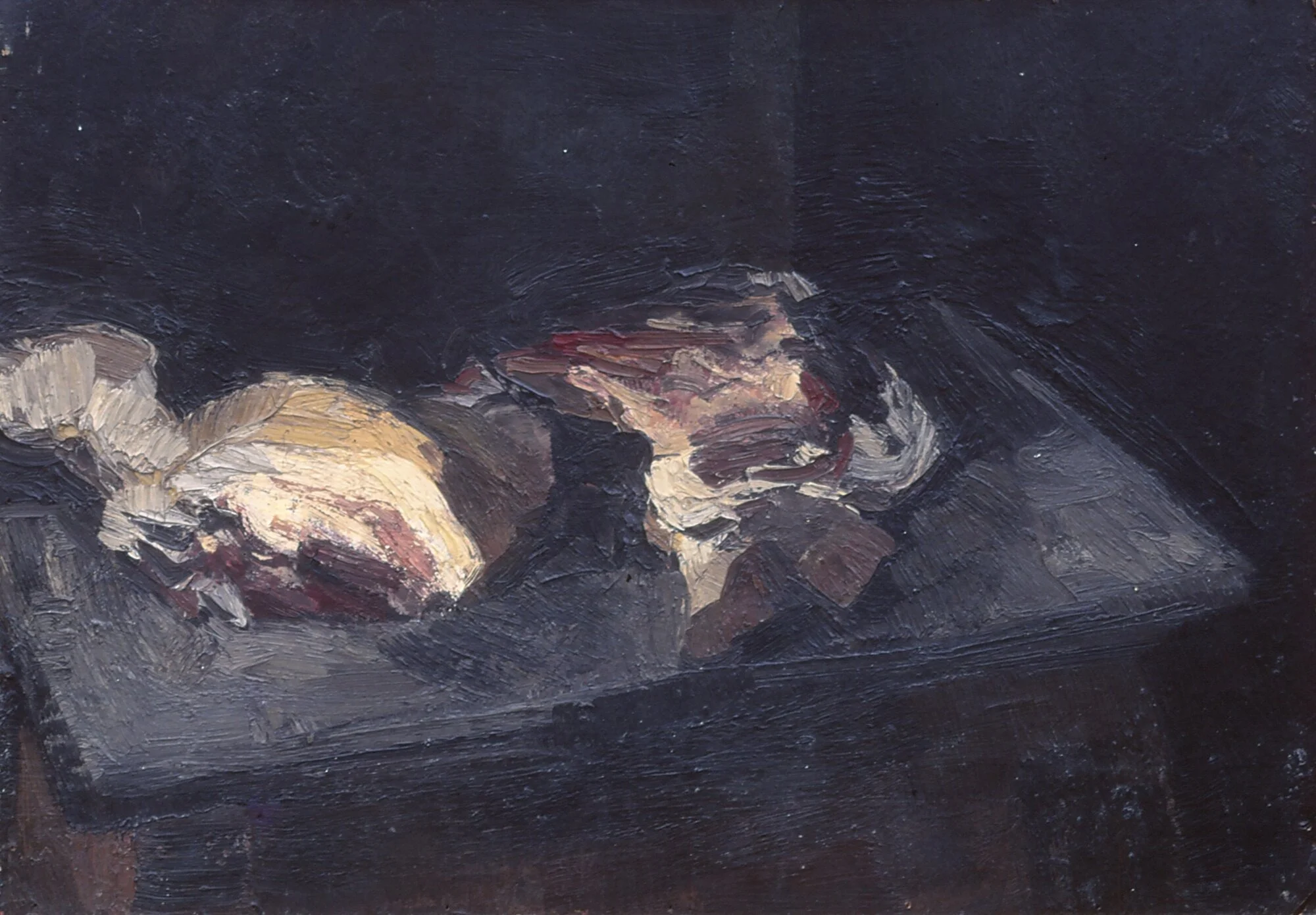
Ray cites Portrait of a Woman (1955) as the first work in which he used oil painting "unselfconsciously". Early admiration for Josef Herman's rich use of glazes and tonality encouraged an appreciation of paint as a material capable of conveying both structure and appearance. By the end of the decade, the foundations of Ray's practice were already in place: sustained observation, an emphasis on the materiality of oil paint, and painting rooted in direct experience.
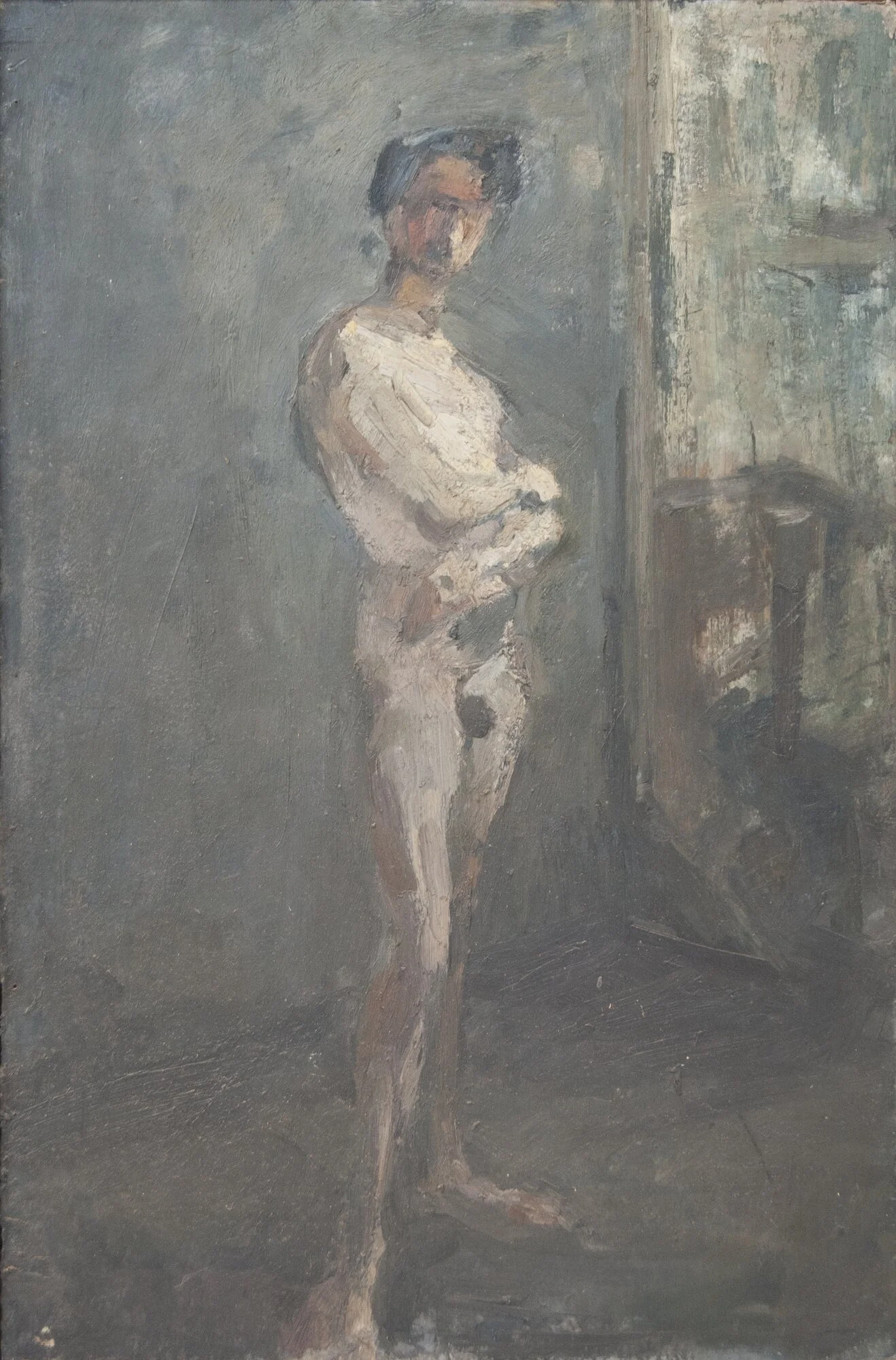
Ray continued his art training at the Slade School of Fine Art (1961–64), where he studied under William Coldstream, Claude Rogers, and Andrew Forge, while maintaining close contact with Frank Auerbach. Coldstream's emphasis on sustained observation, together with Bomberg's legacy as transmitted through Auerbach and Forge, demonstrated that direct observation and painterly expression could coexist.
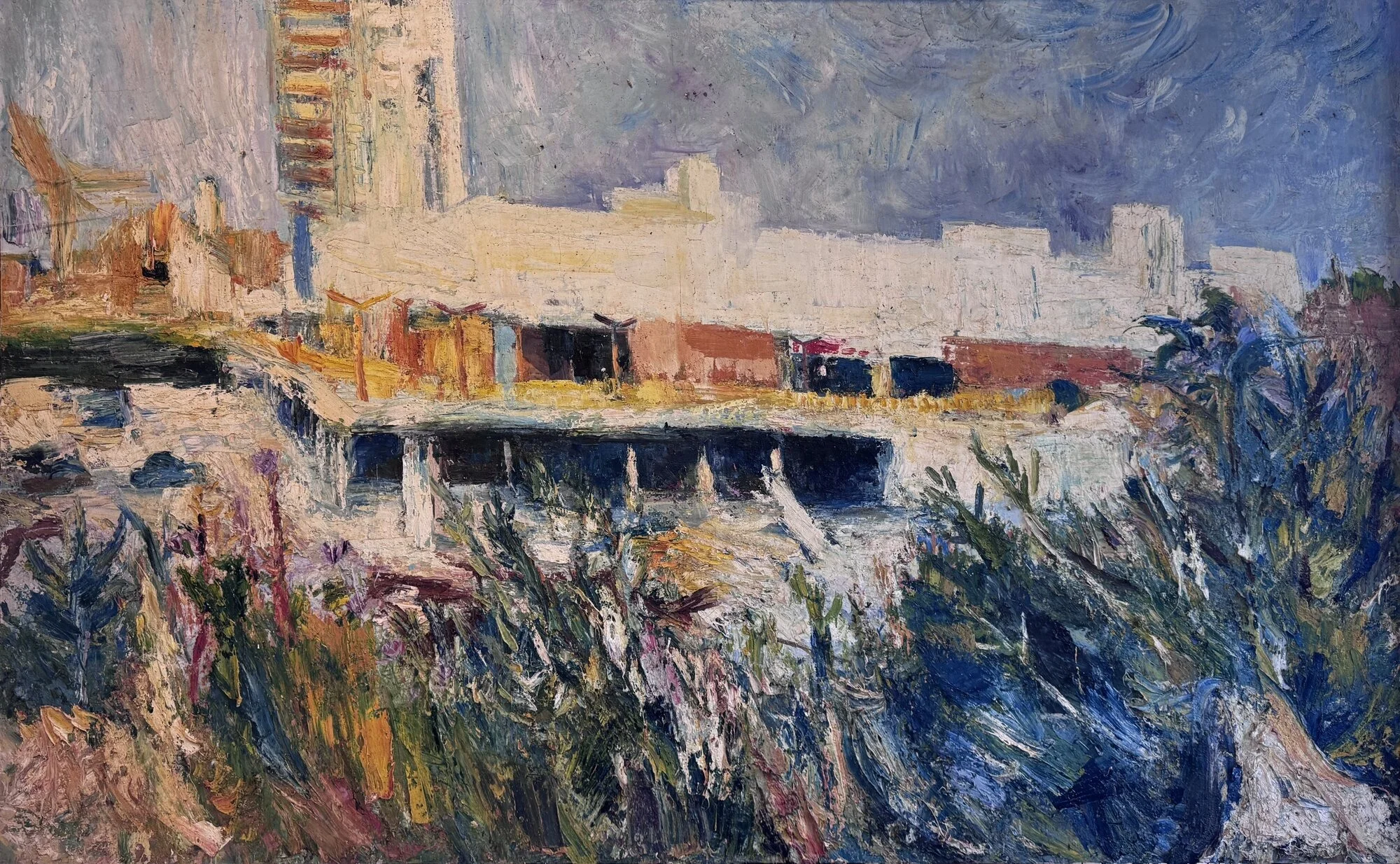
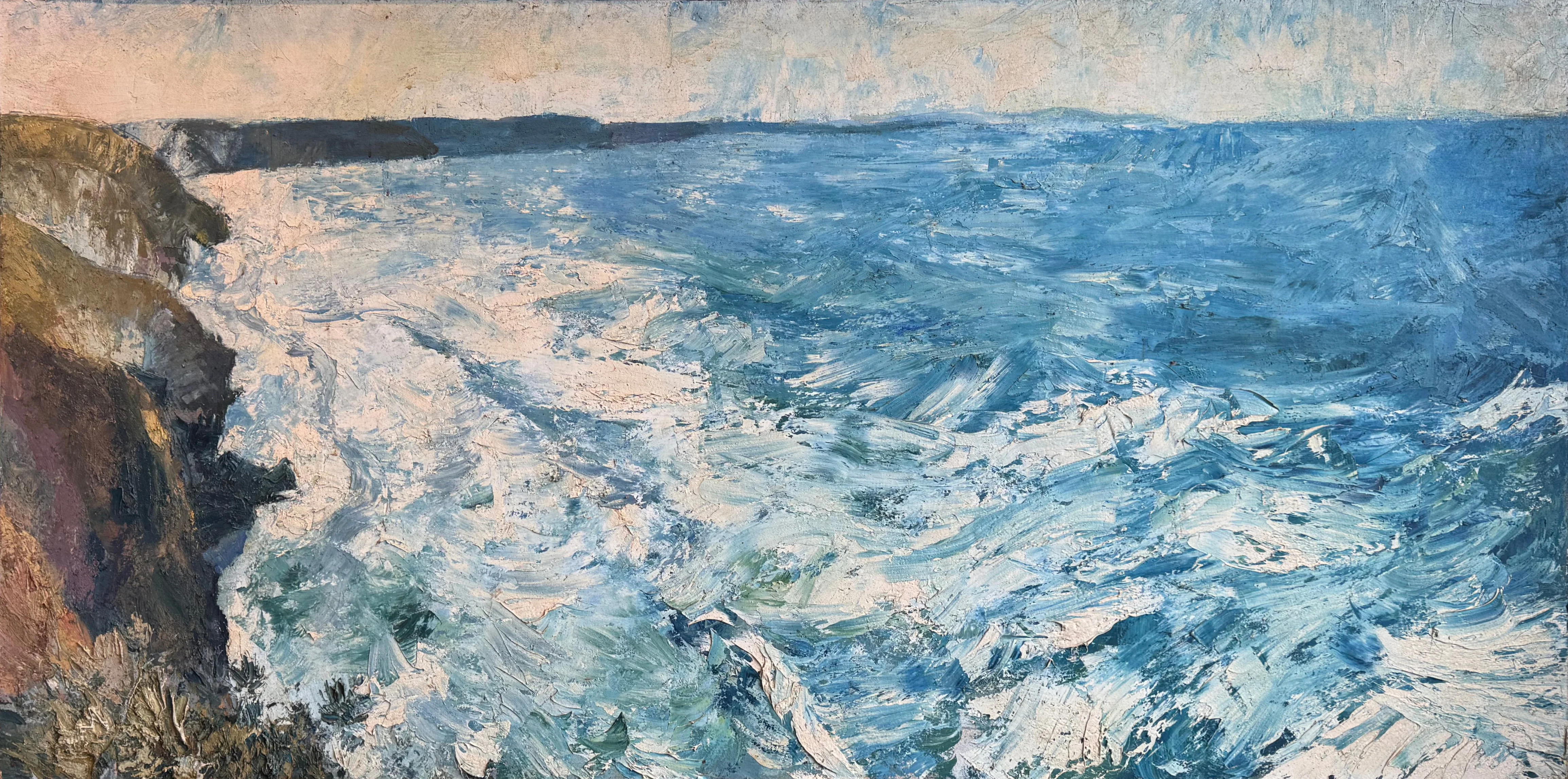
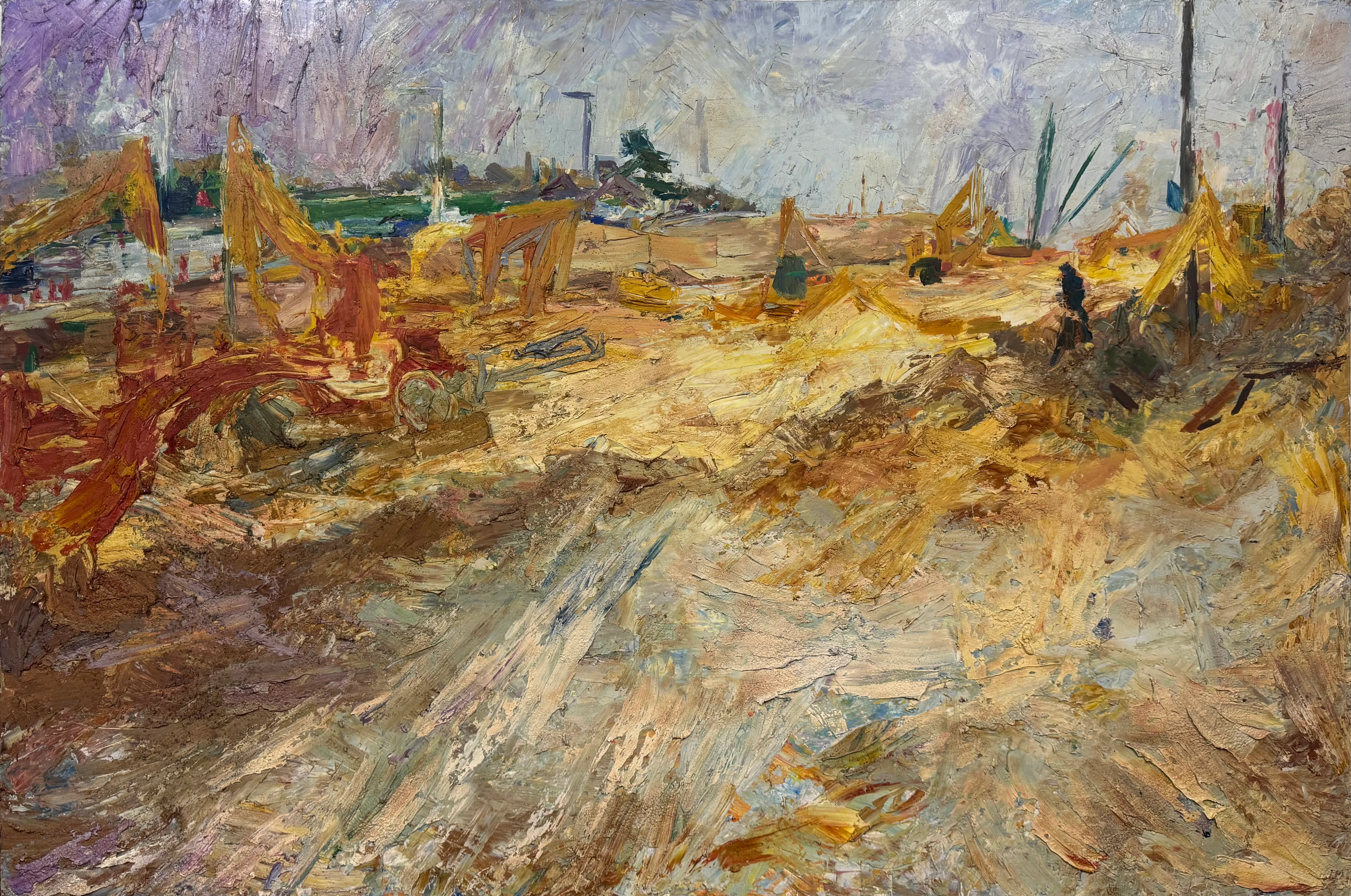
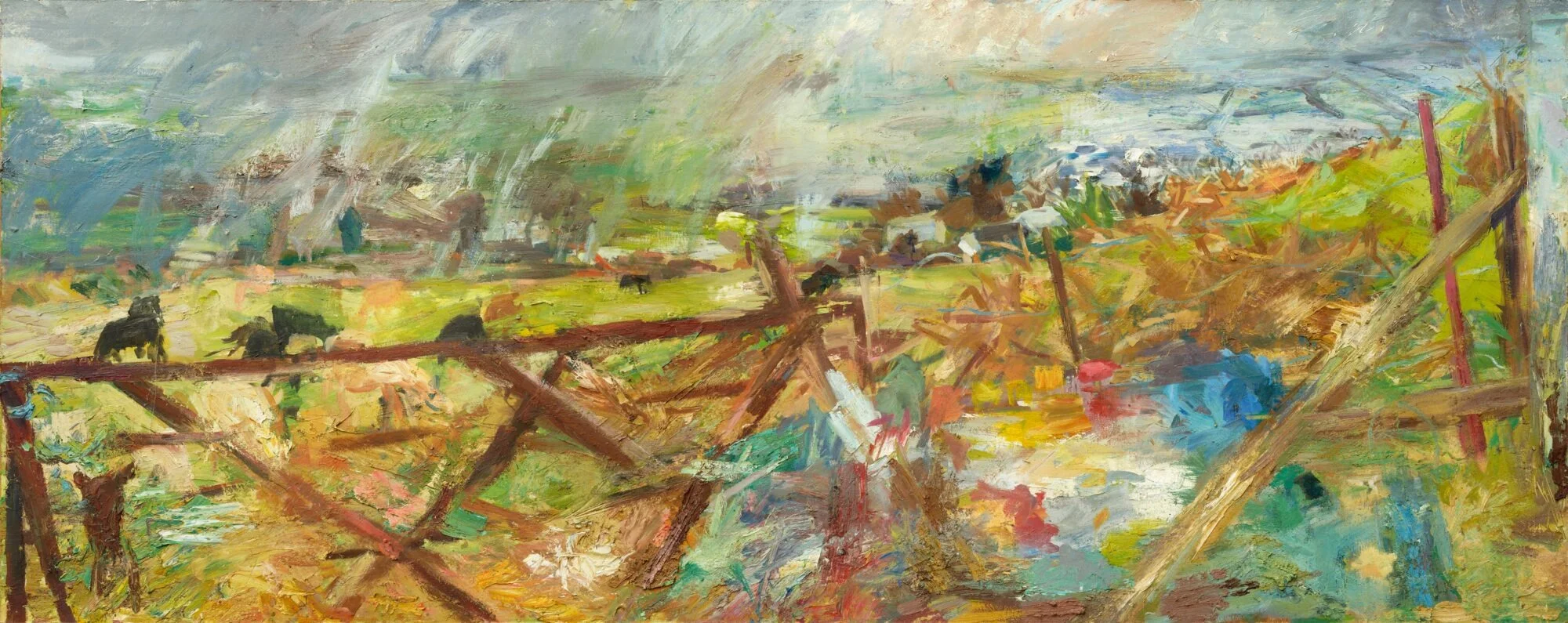
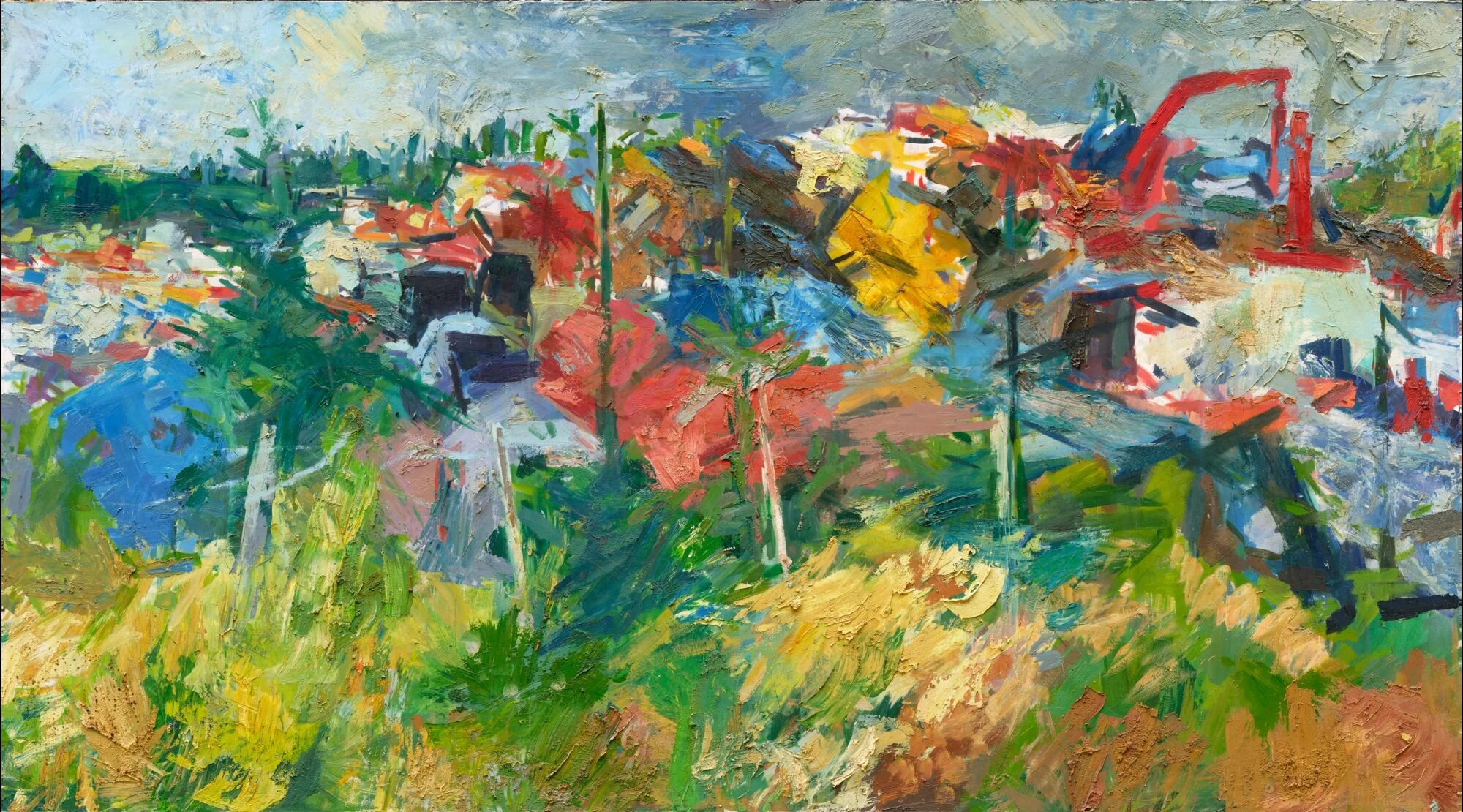
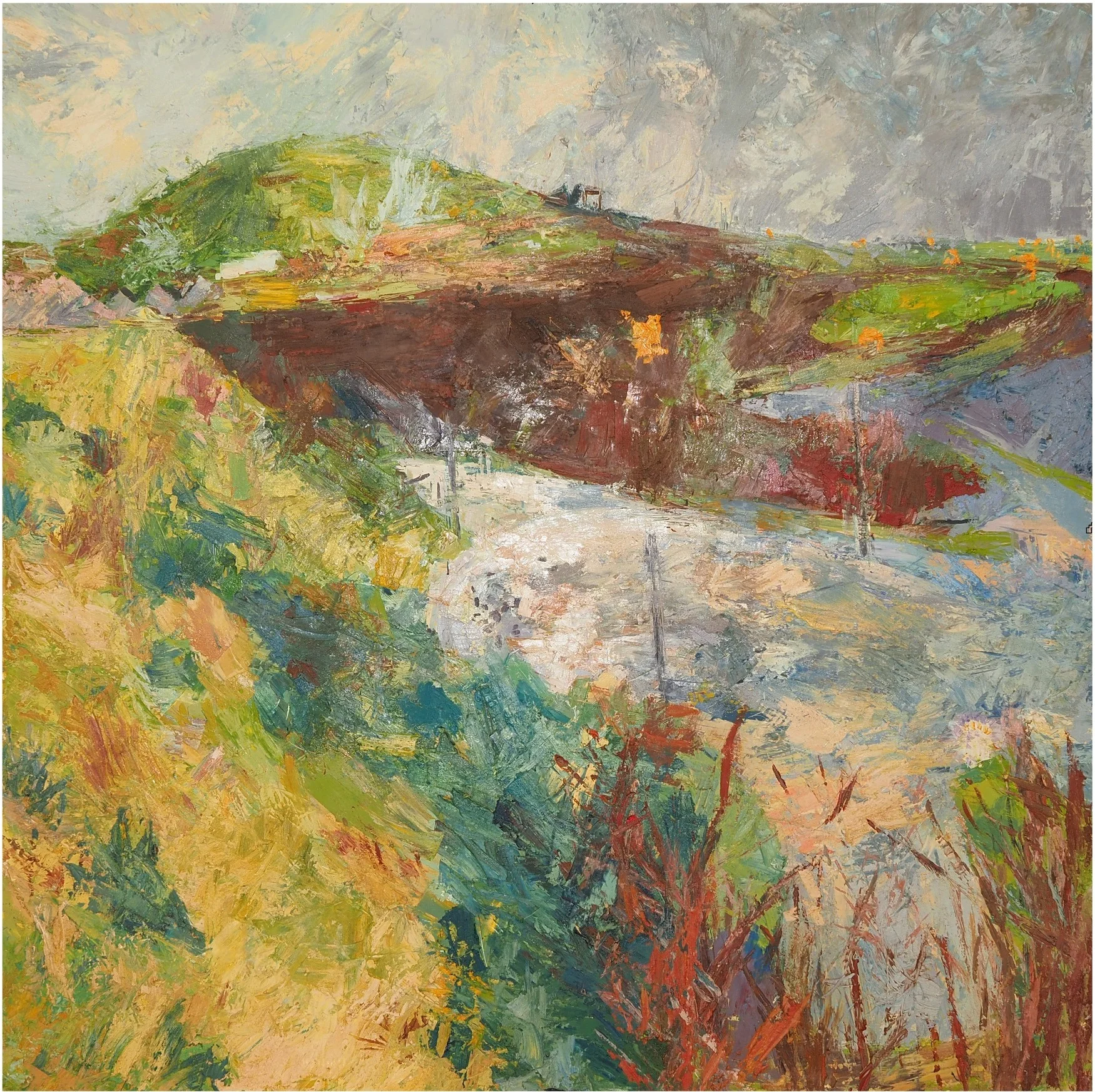
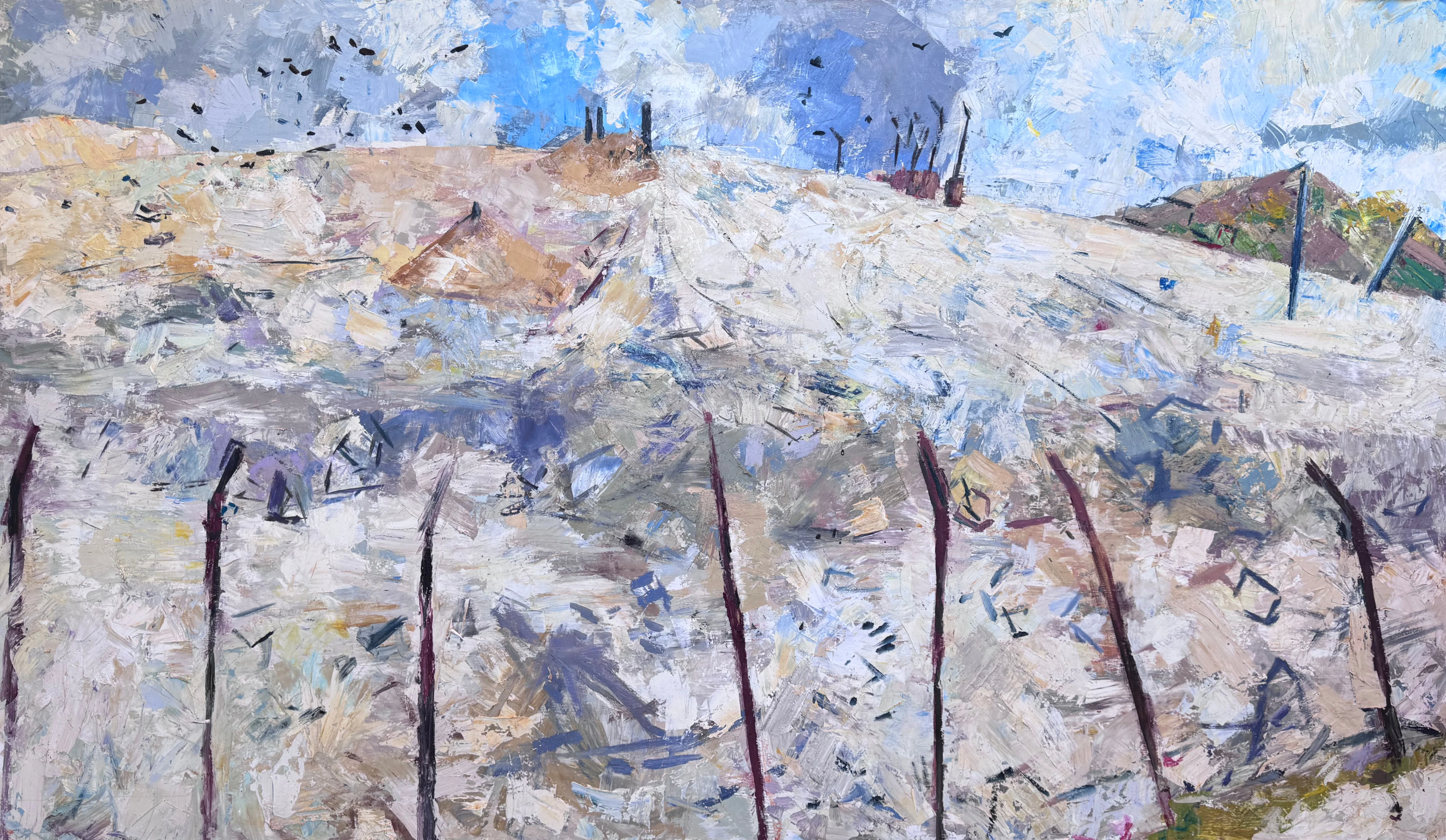
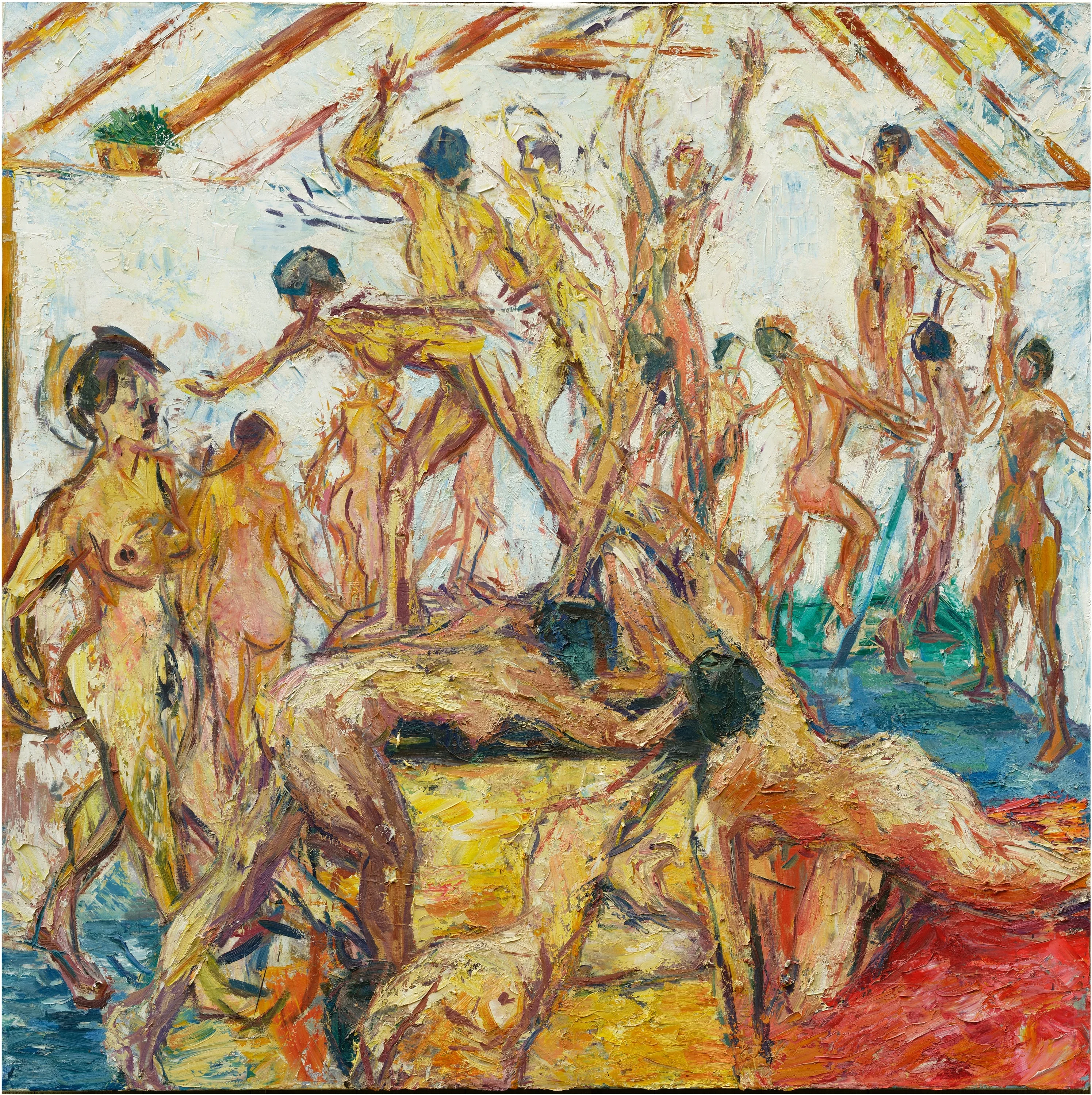
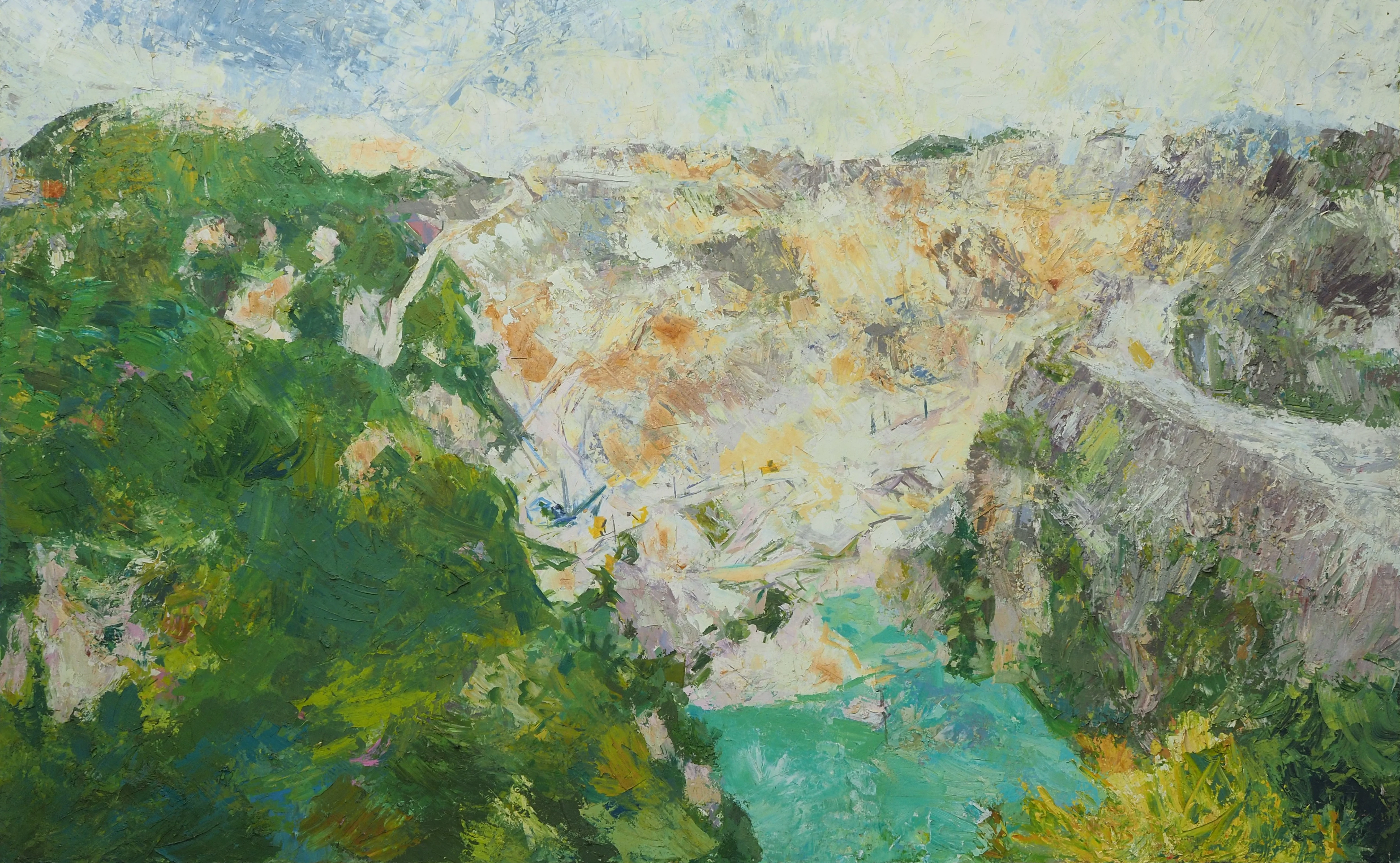
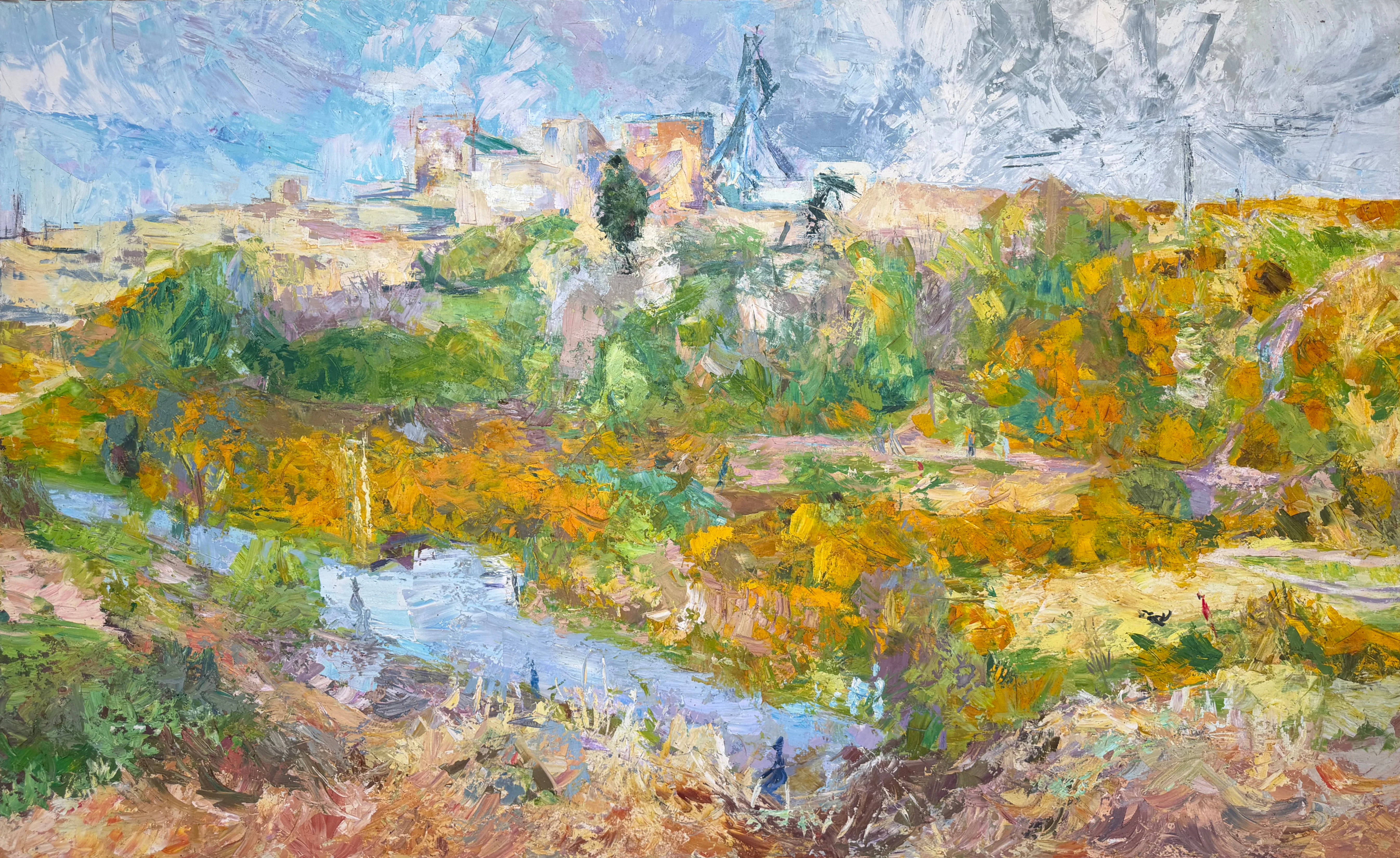
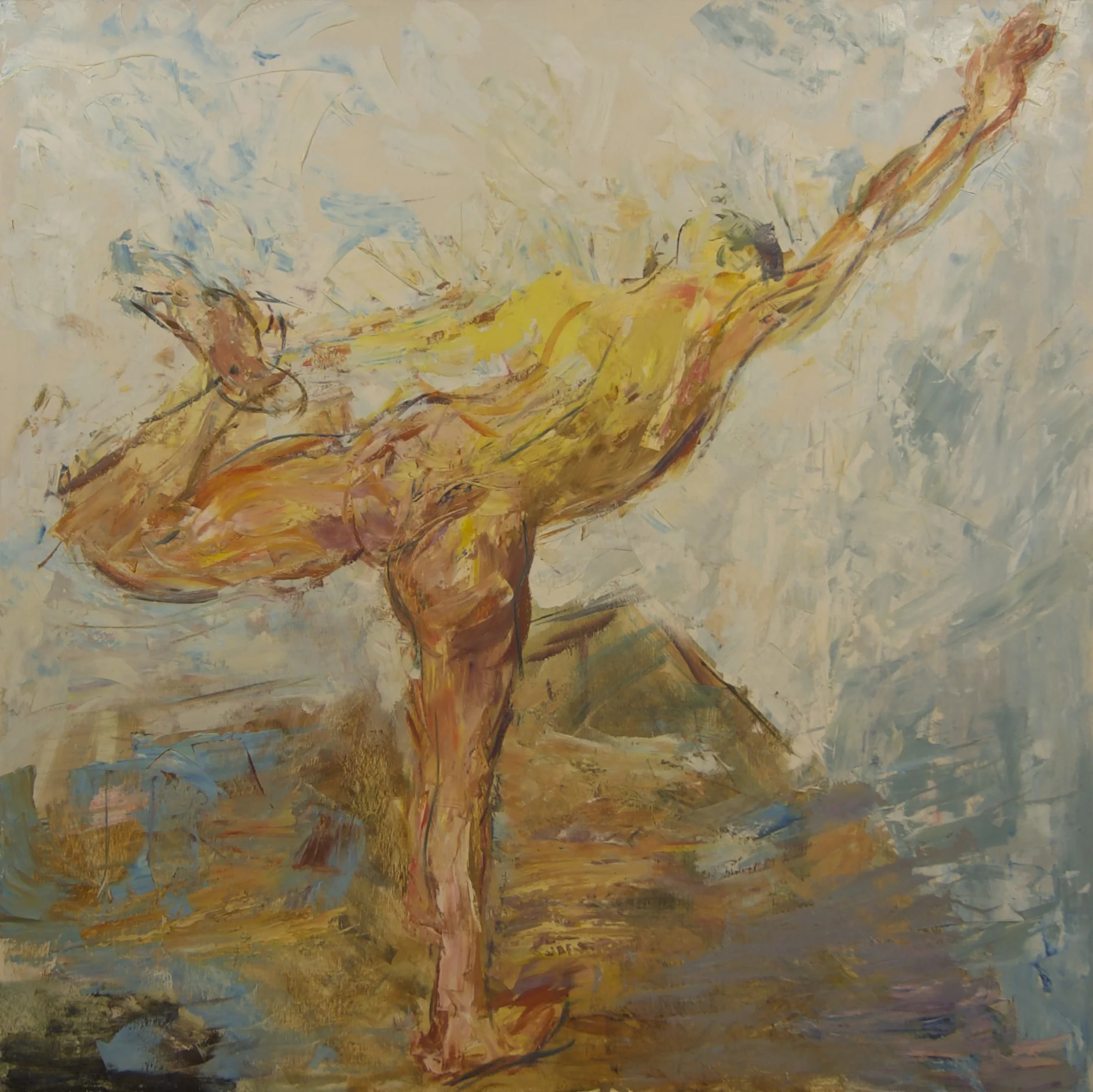
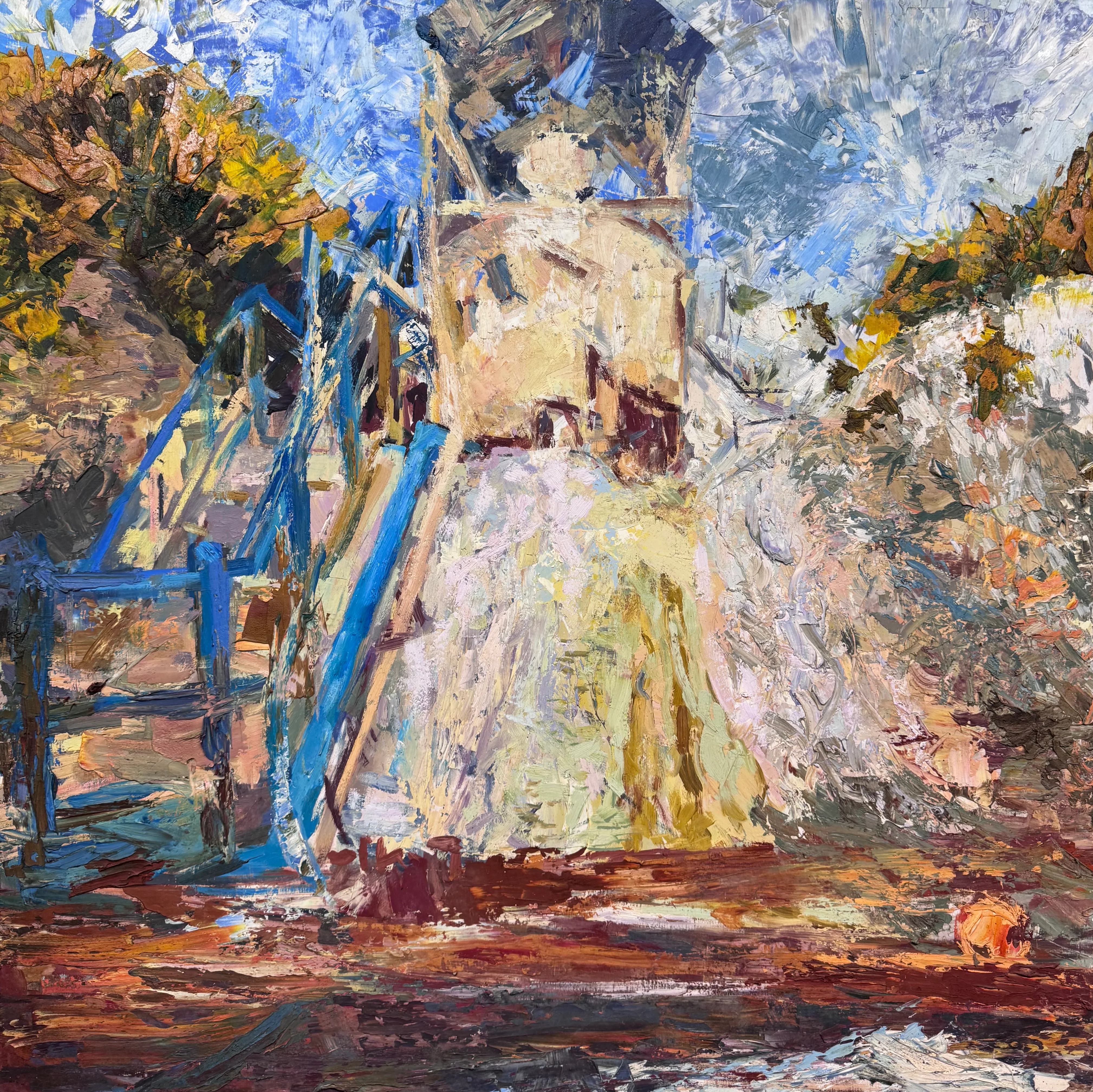
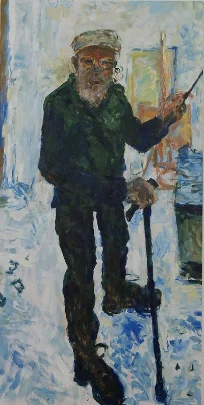
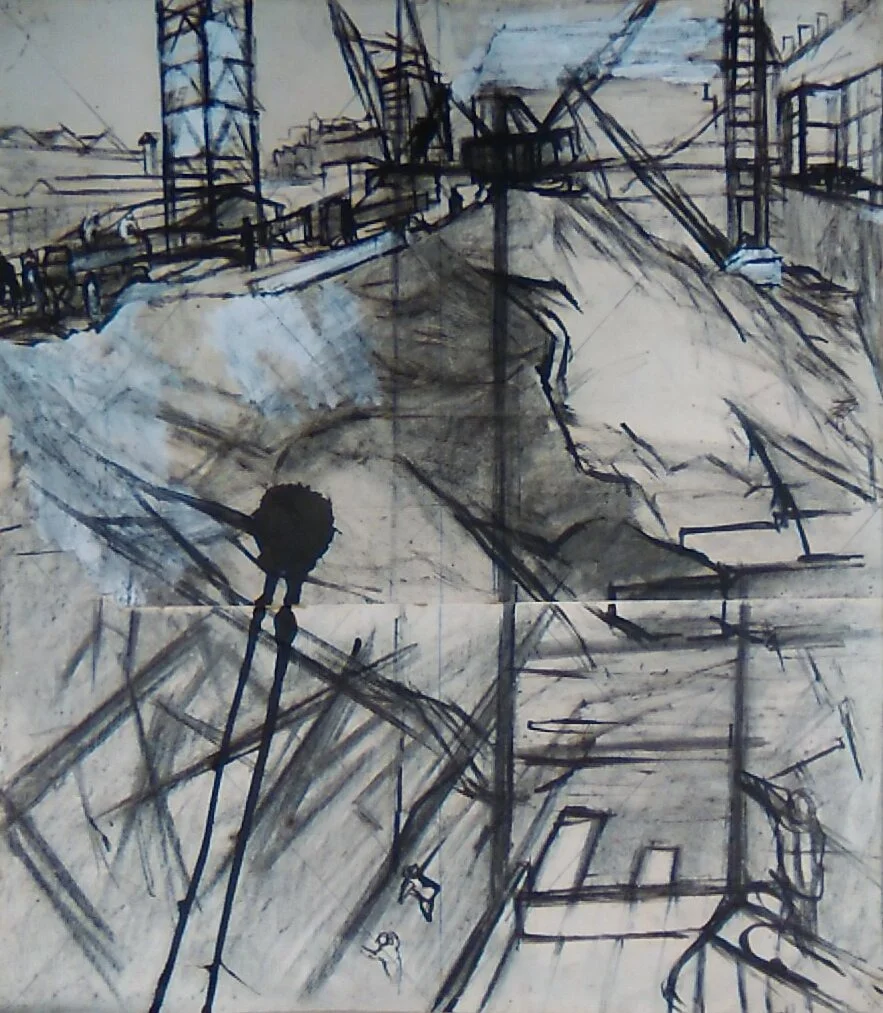
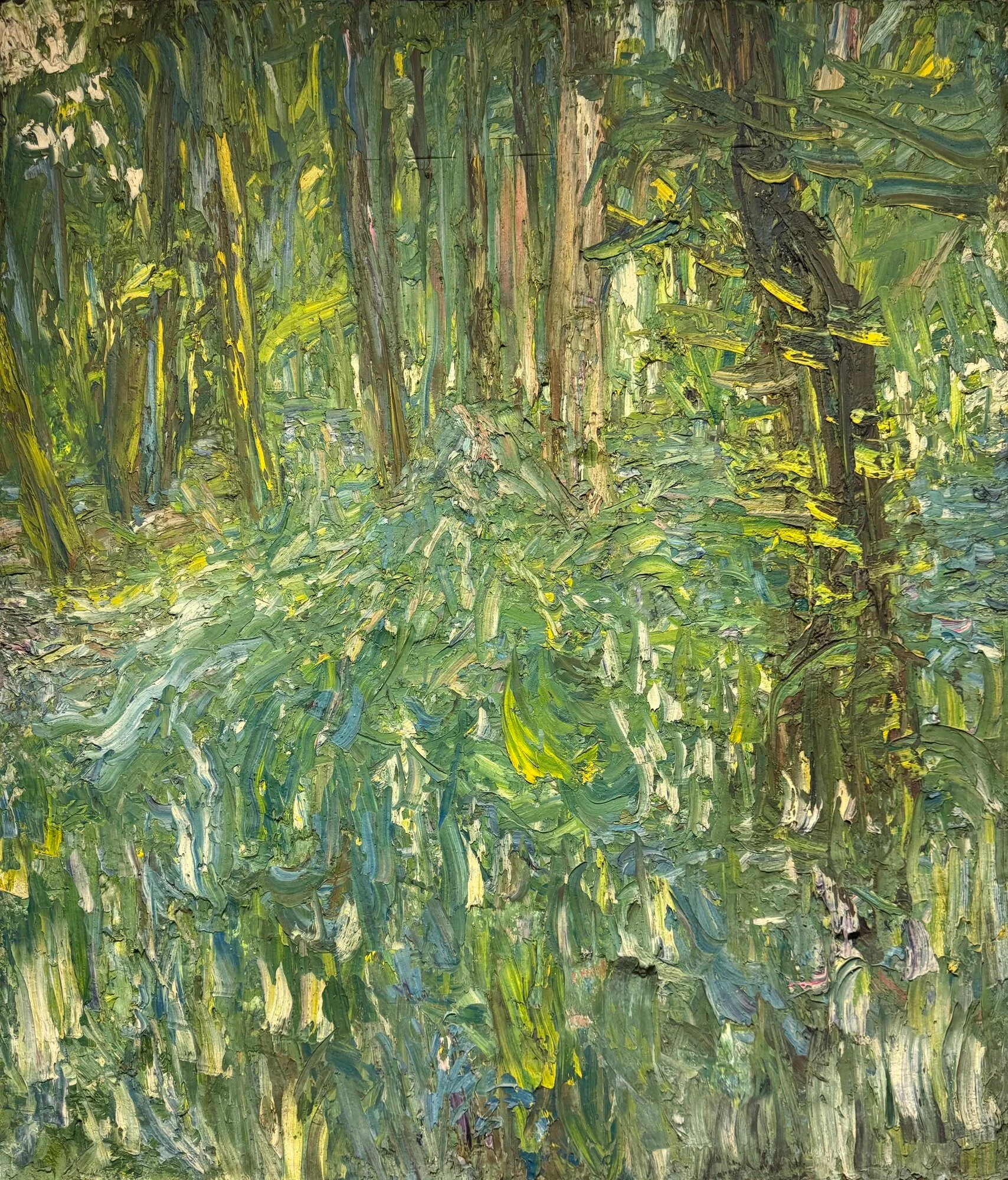
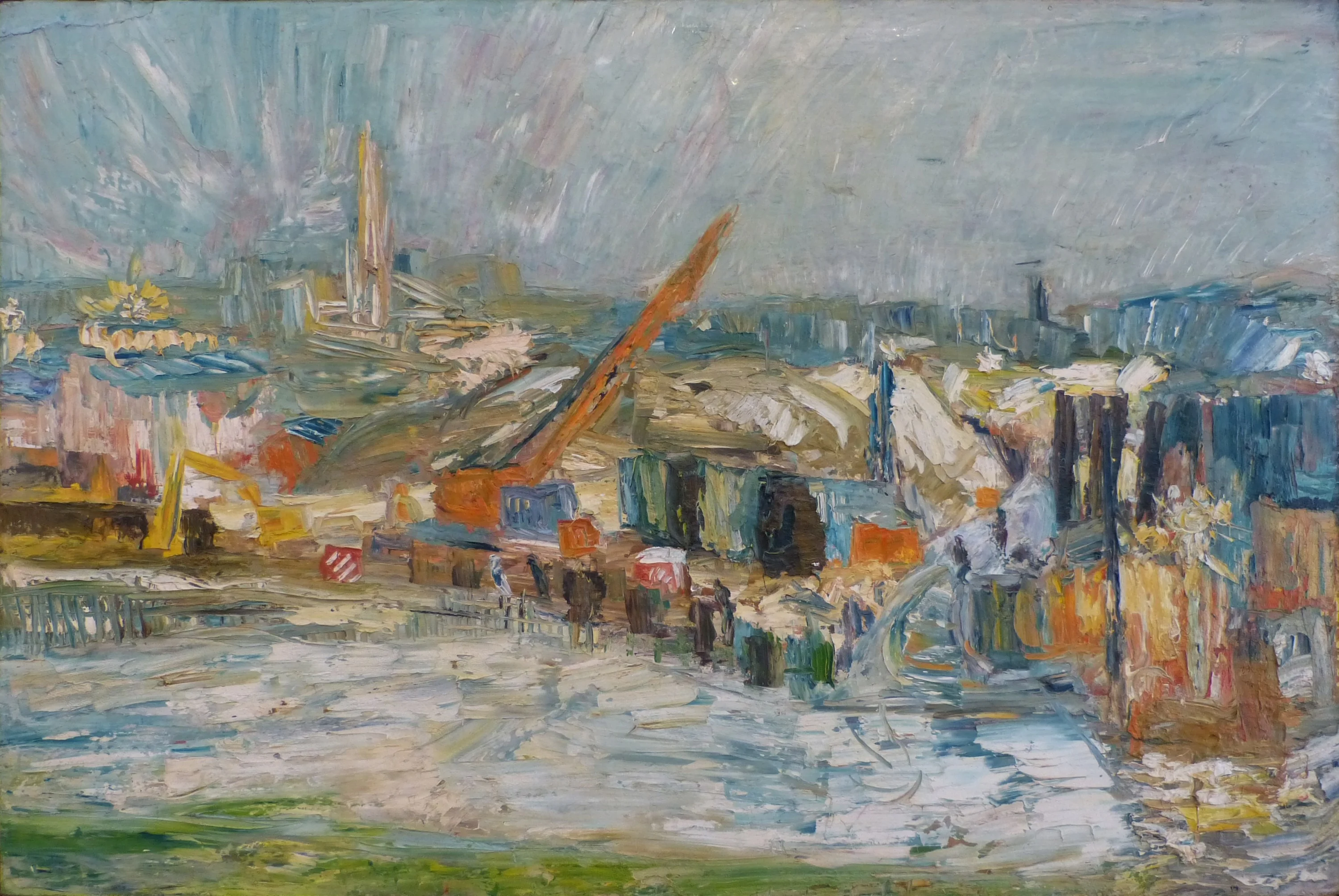
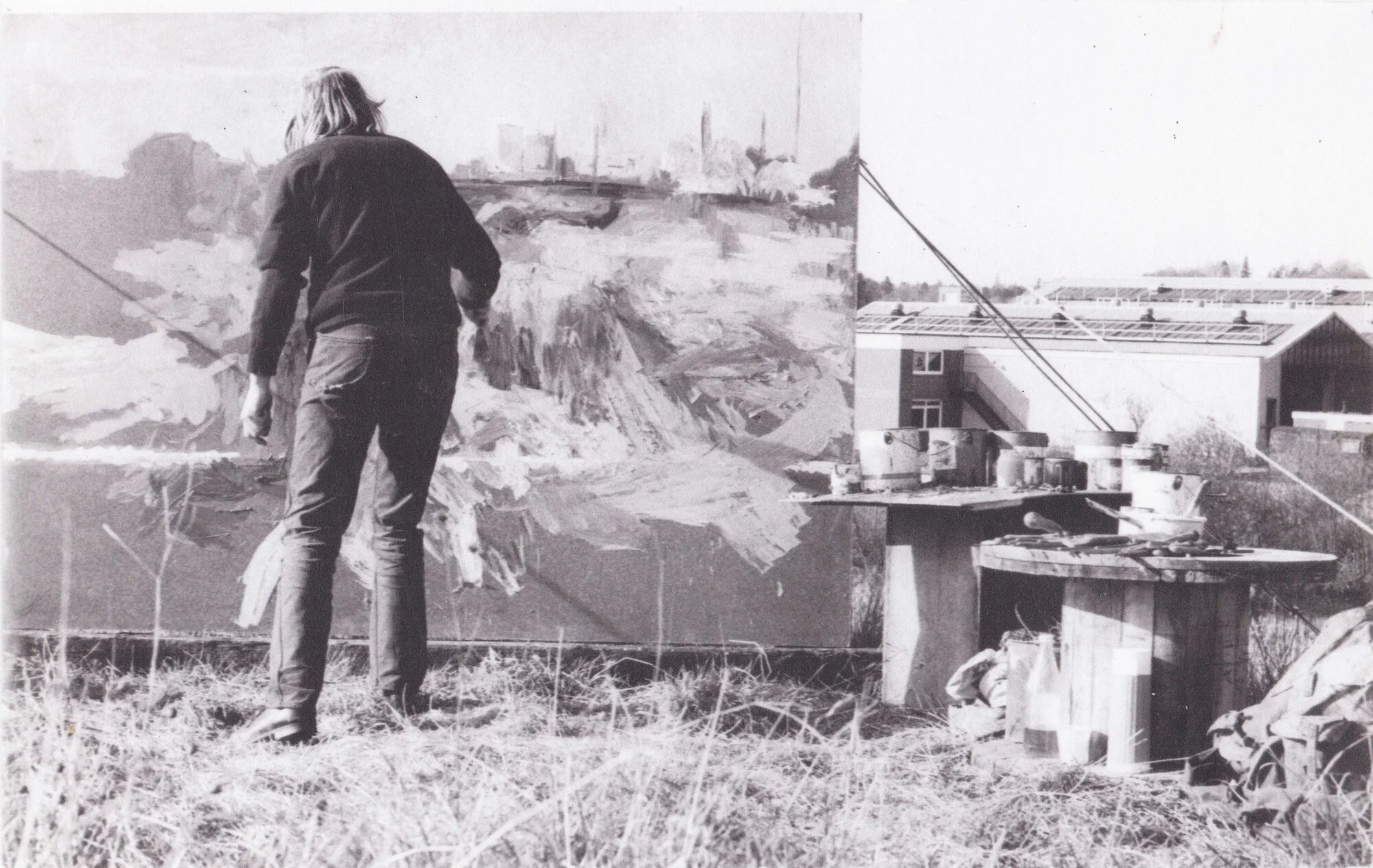
Ray depicted a range of subjects during this decade. In the mid-1960s, his practice in London was dominated by expressive plein-air depictions of the urban fabric. He completed a series of symbolic self-portraits in 1967 that explored identity, mortality, and spirituality while remaining rooted in direct observation. The landscape remained a significant subject following his move to Reading in spring 1968, where colour assumed a more prominent structural role within his paintings.
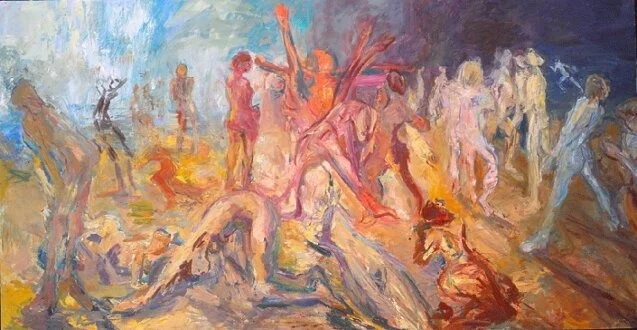
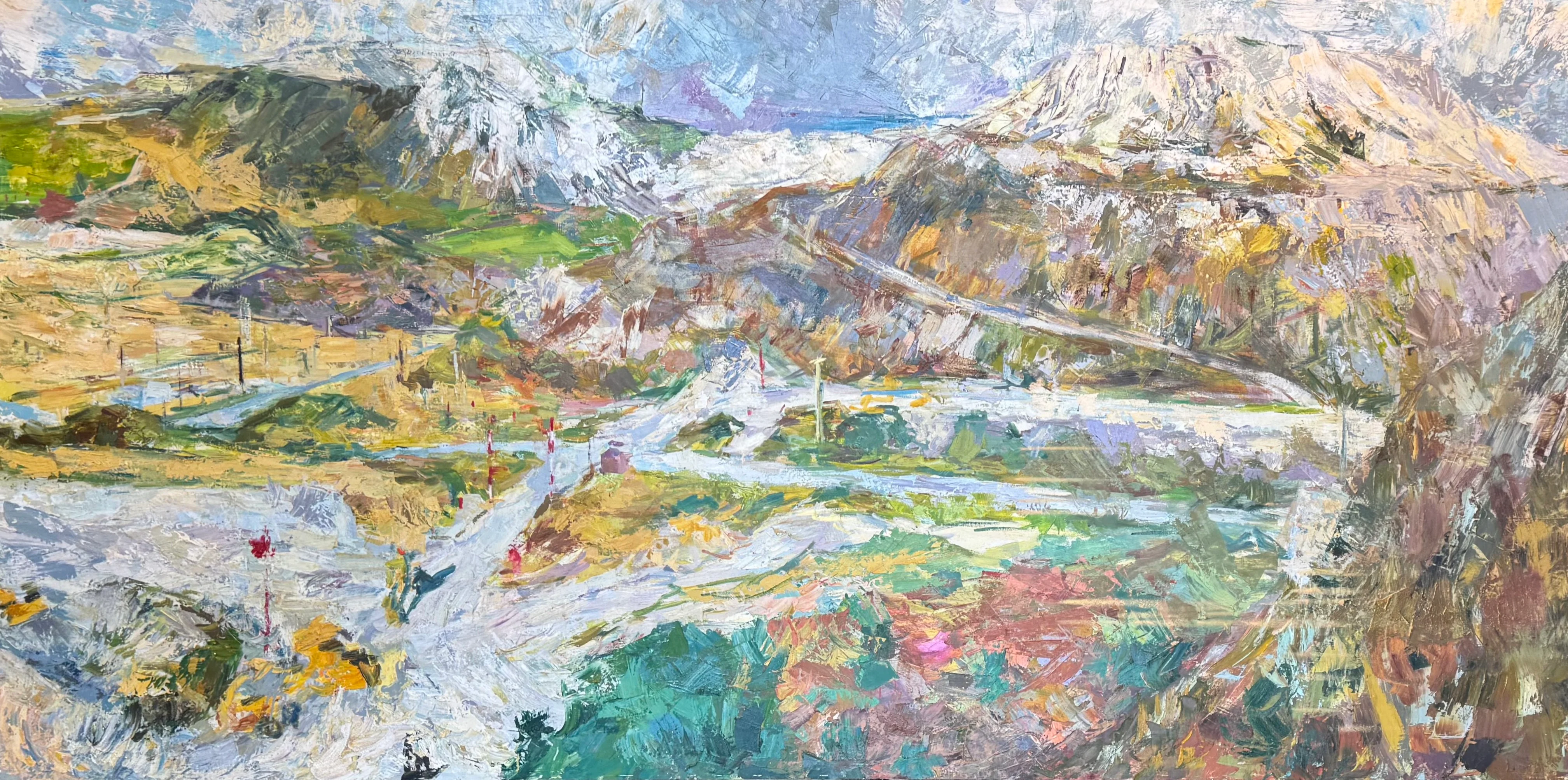
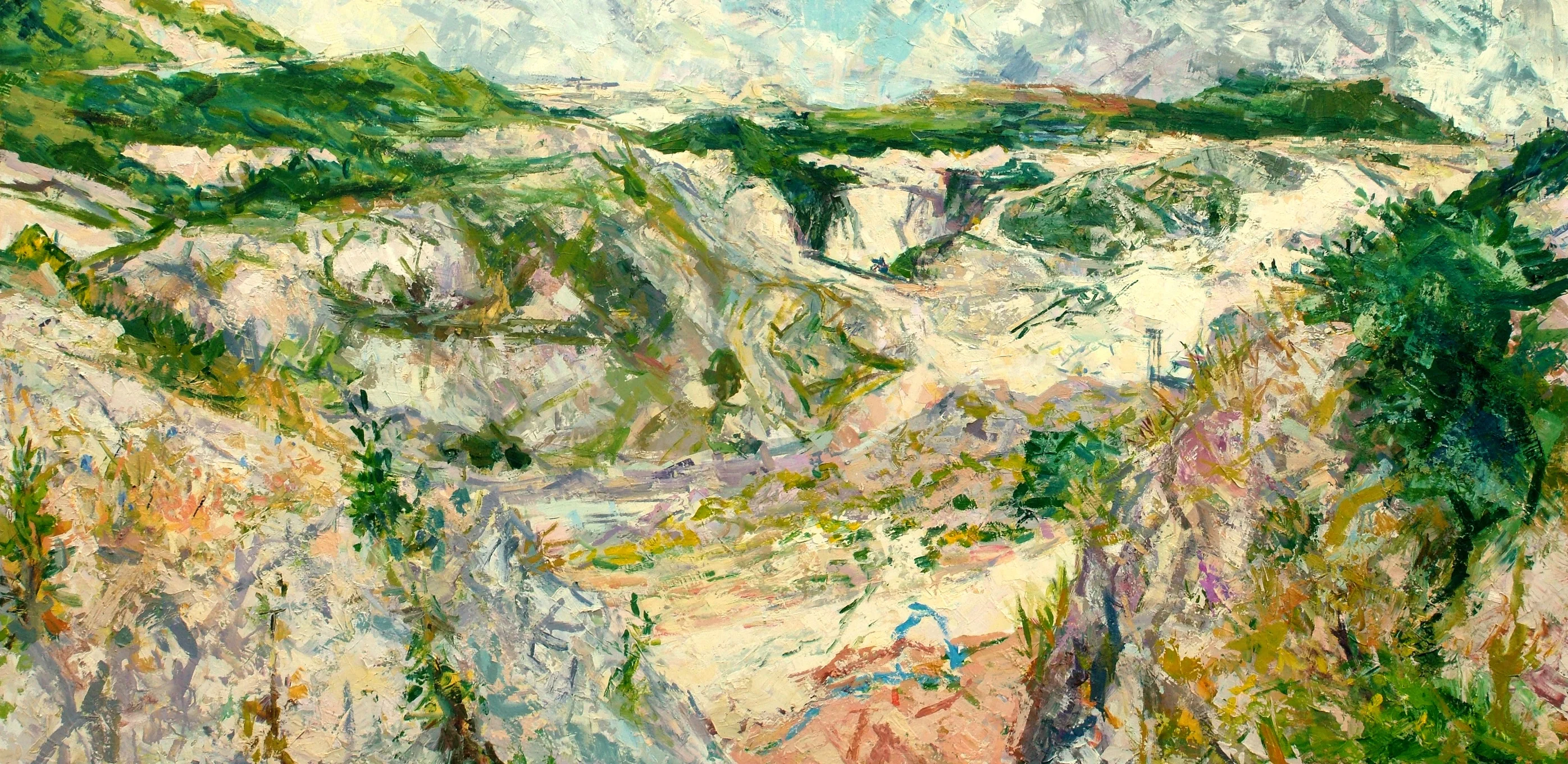
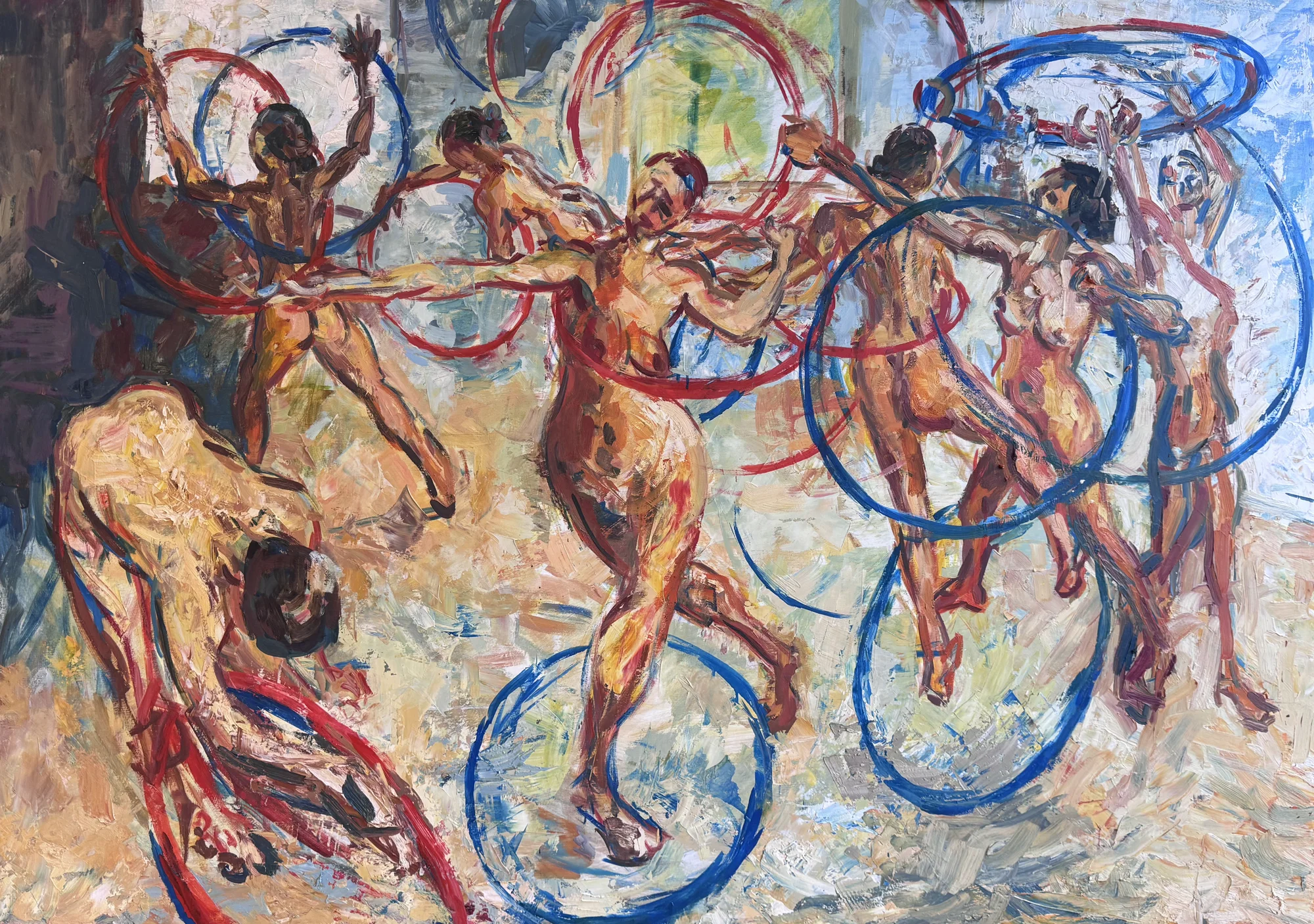
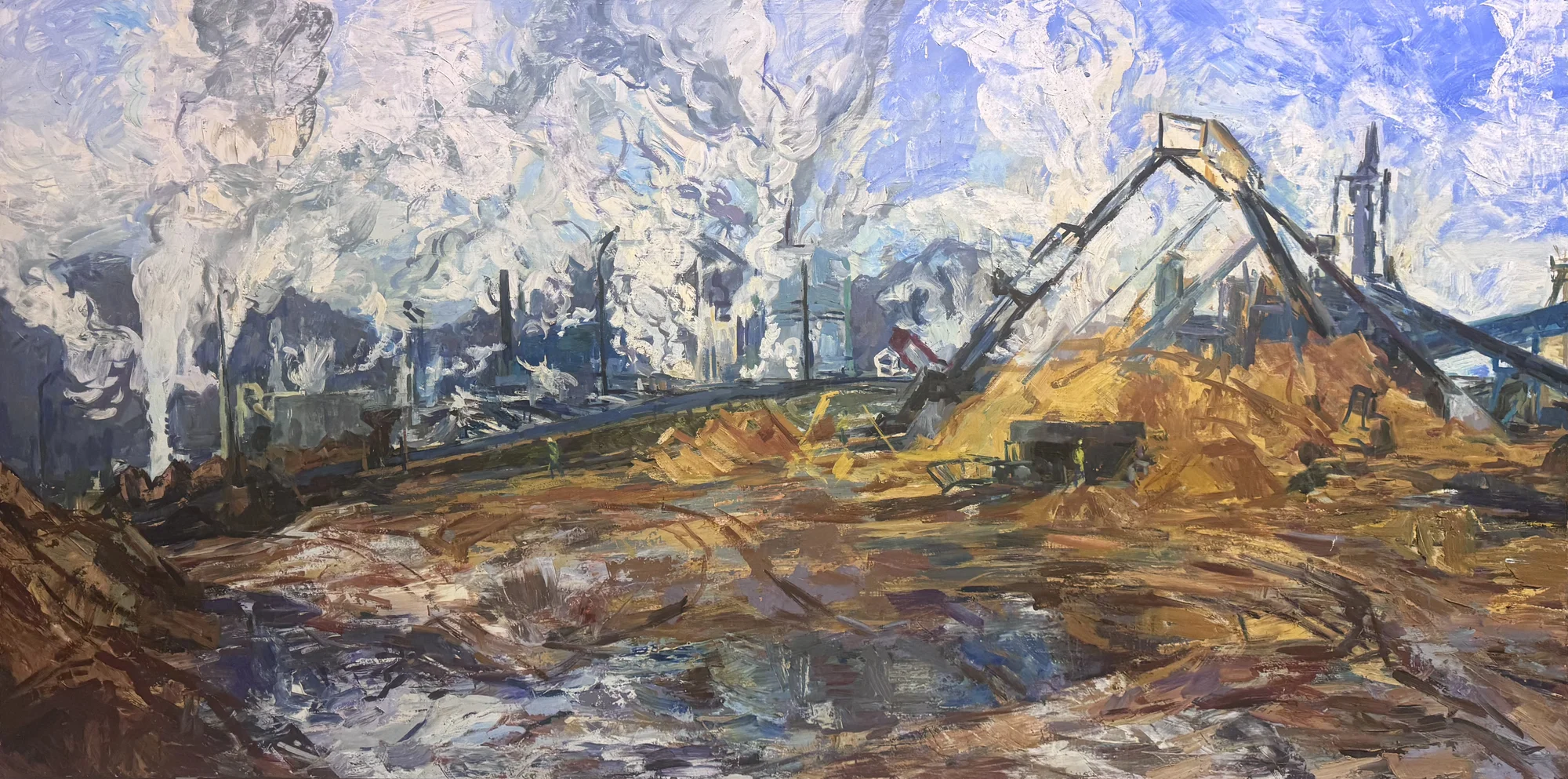
Works from this period
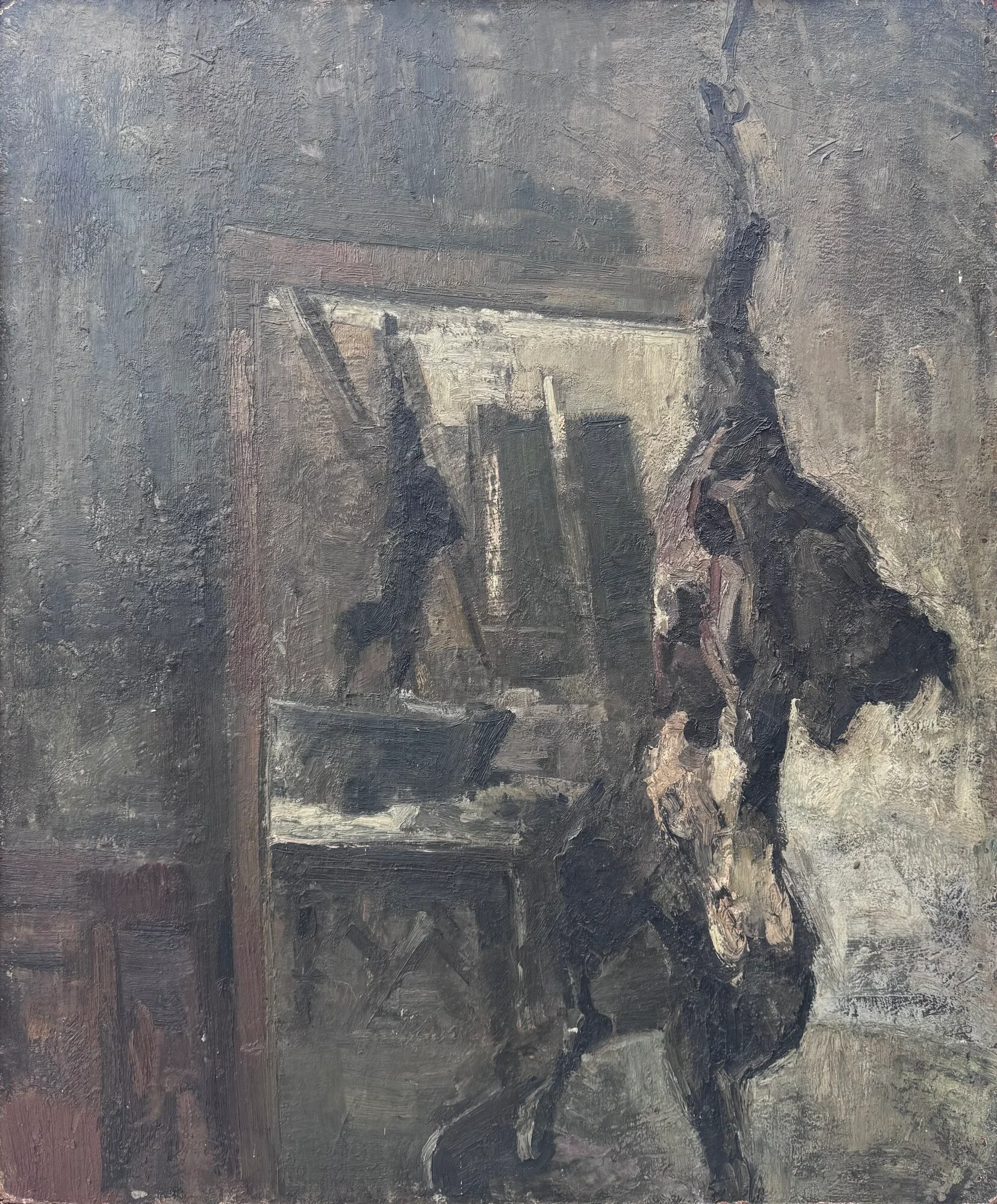
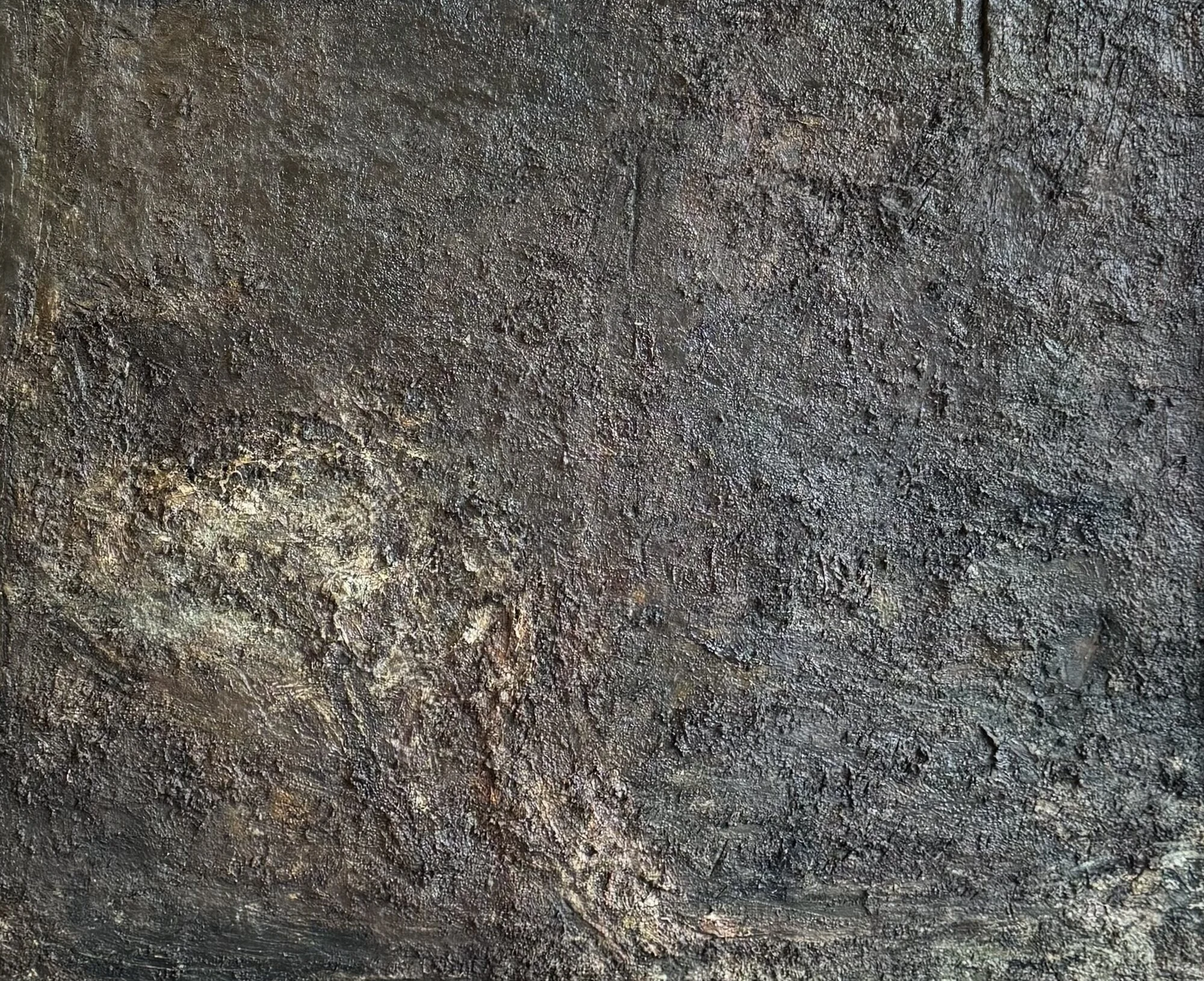
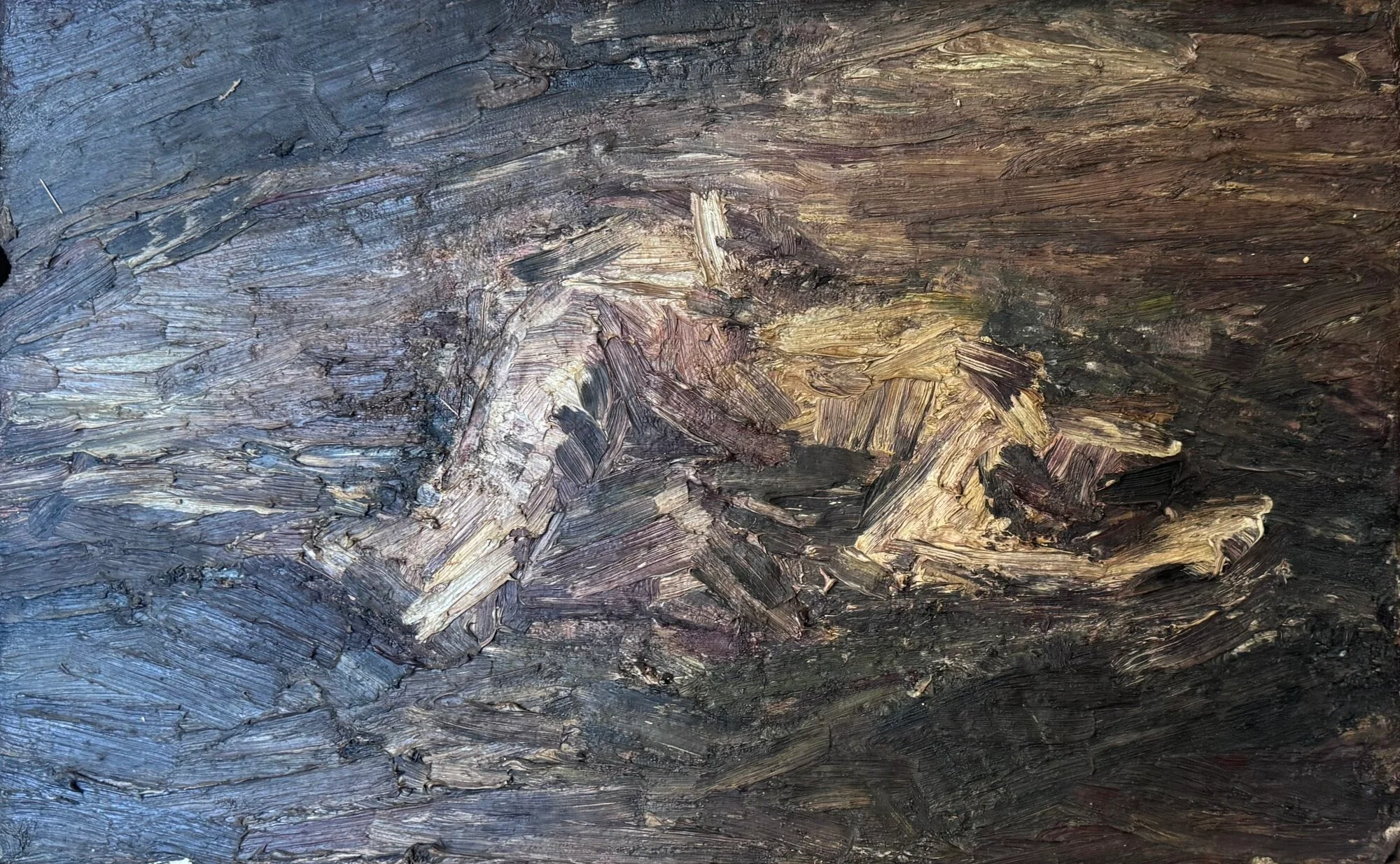
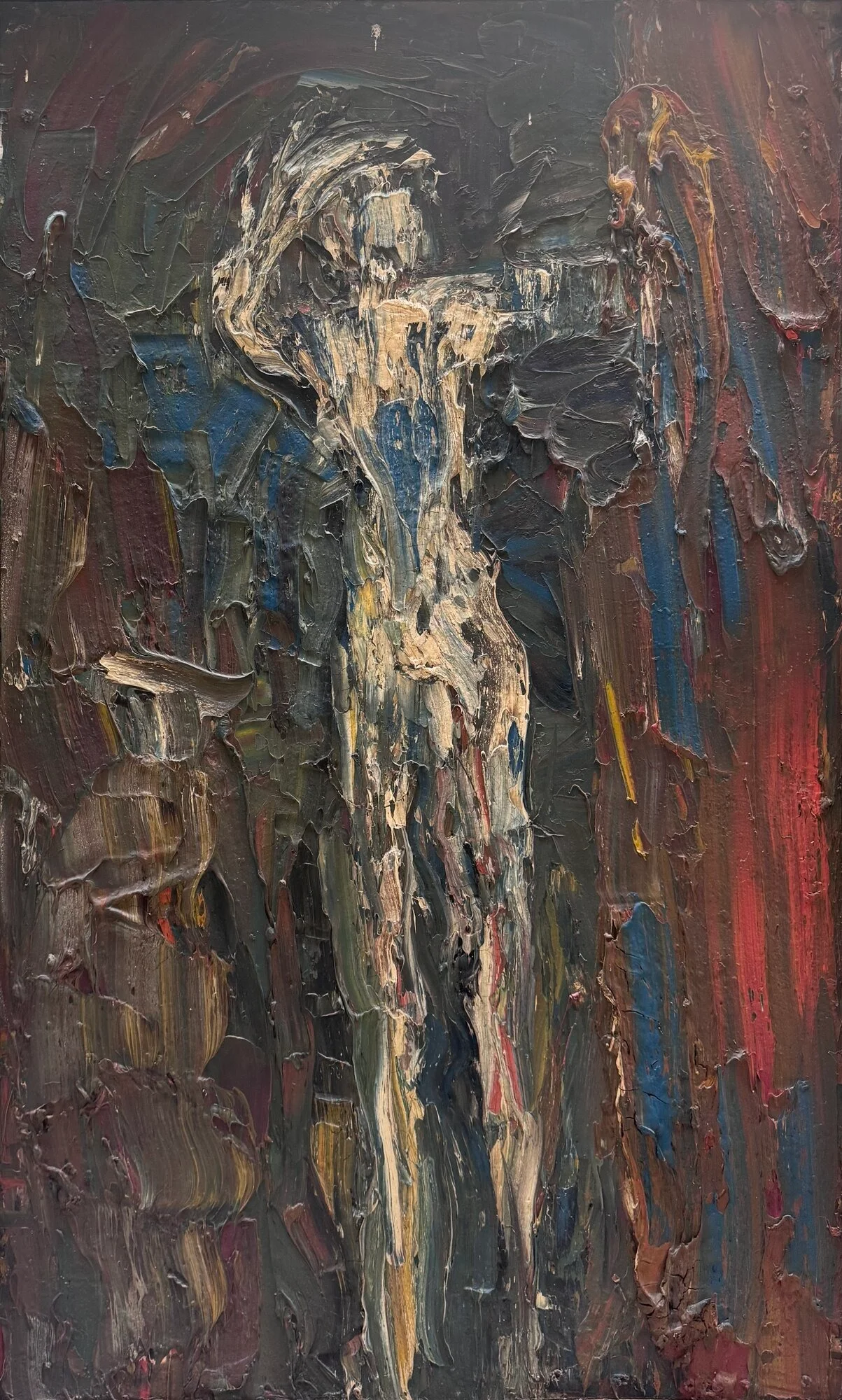
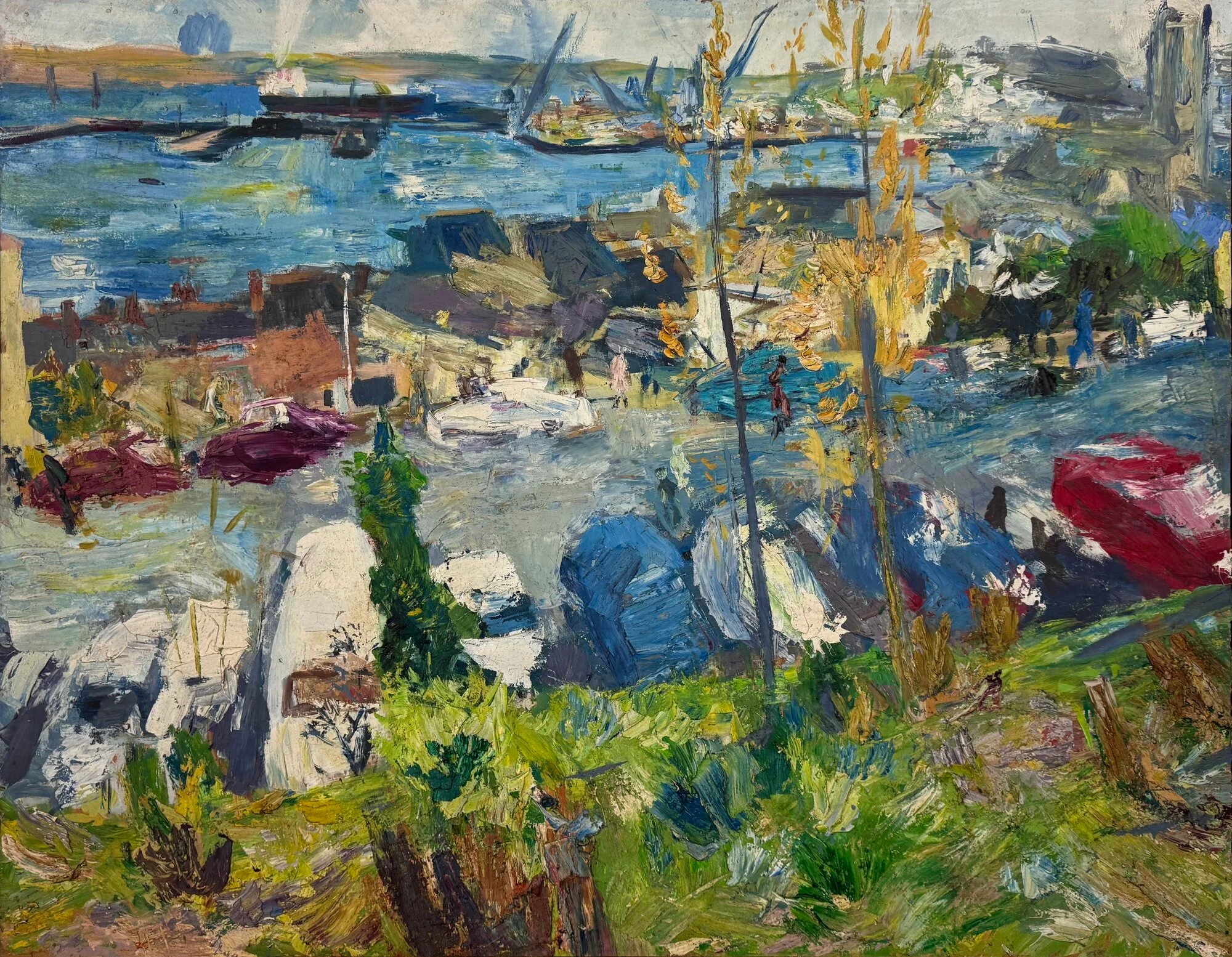
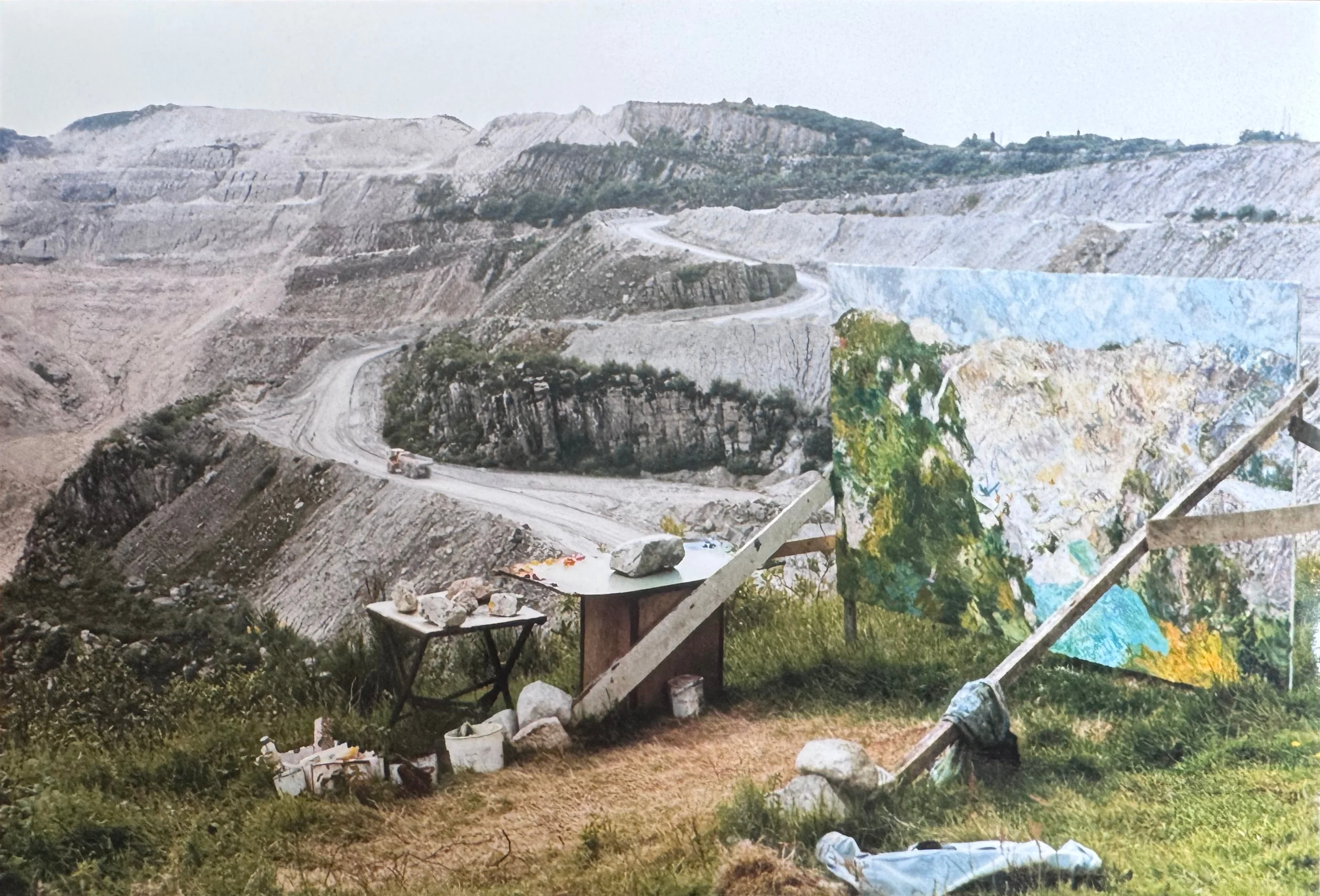
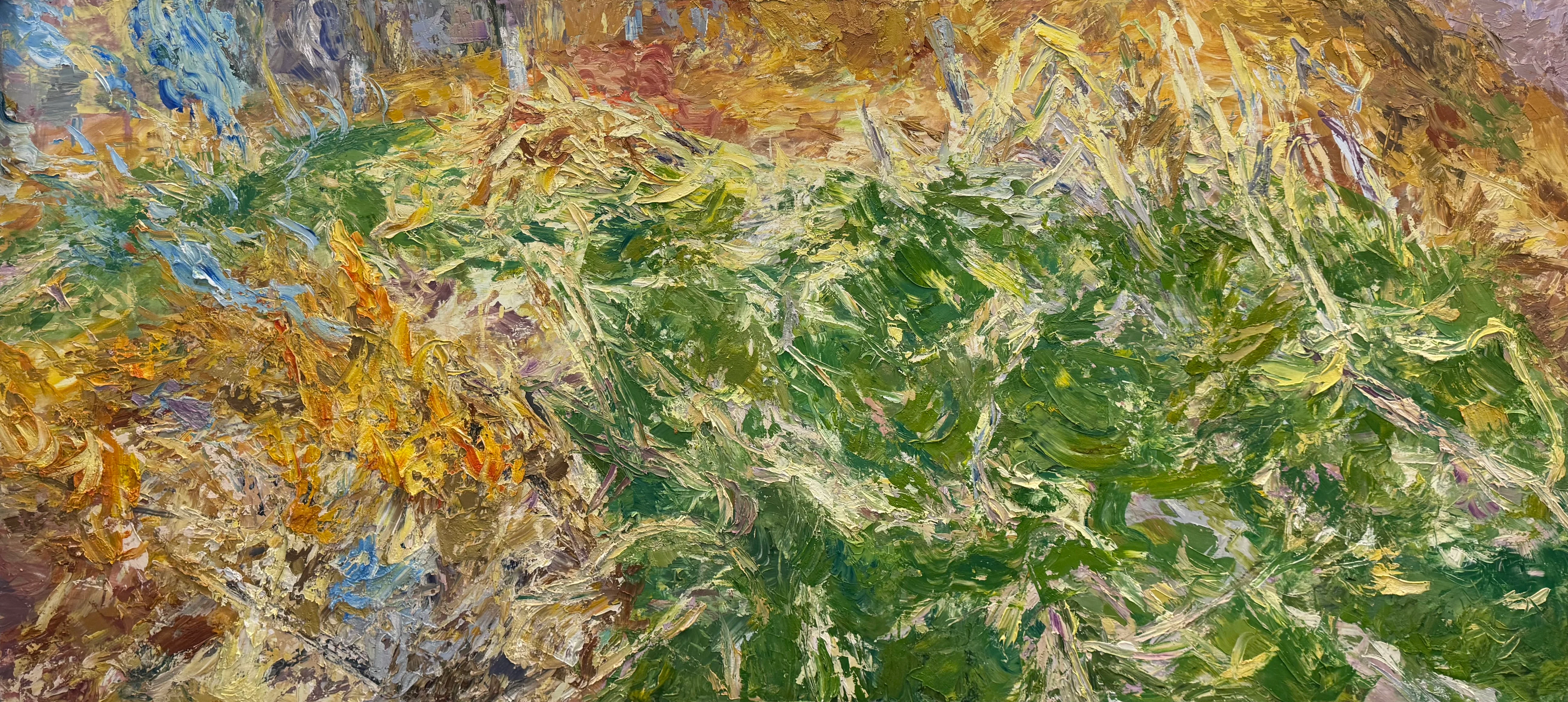
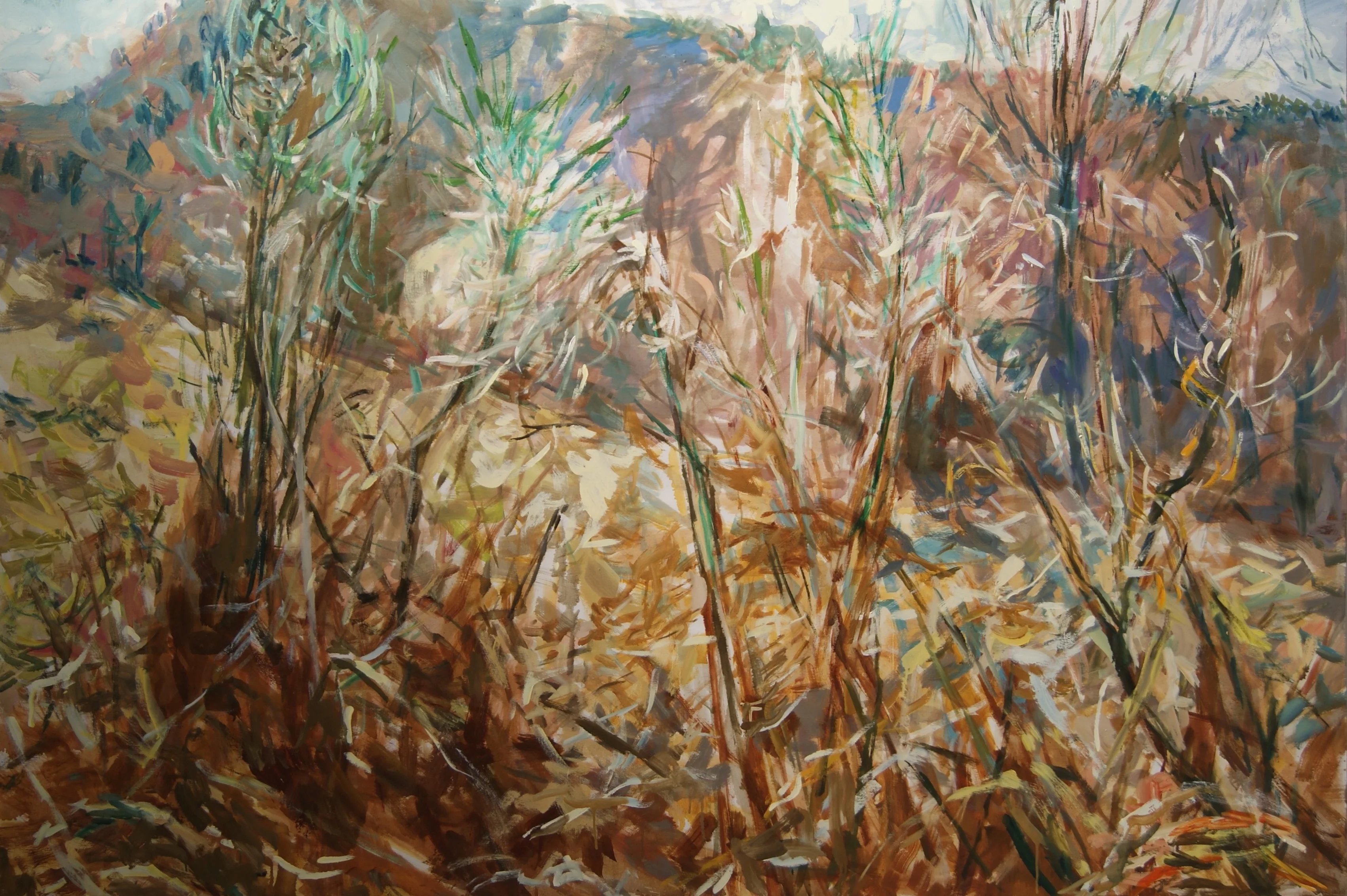
no.2 160x244cm oil on board - Donated to Le Majprat, Fr.webp)